Pectus Excavatum in Adolescents: Vacuum Bell or Nuss Procedure?
Sunken sternum: when pectus excavatum requires cardiac evaluation, a vacuum bell, or the Nuss procedure.
Quick Answers
Is pectus excavatum dangerous for heart and lungs?
How does the vacuum bell work?
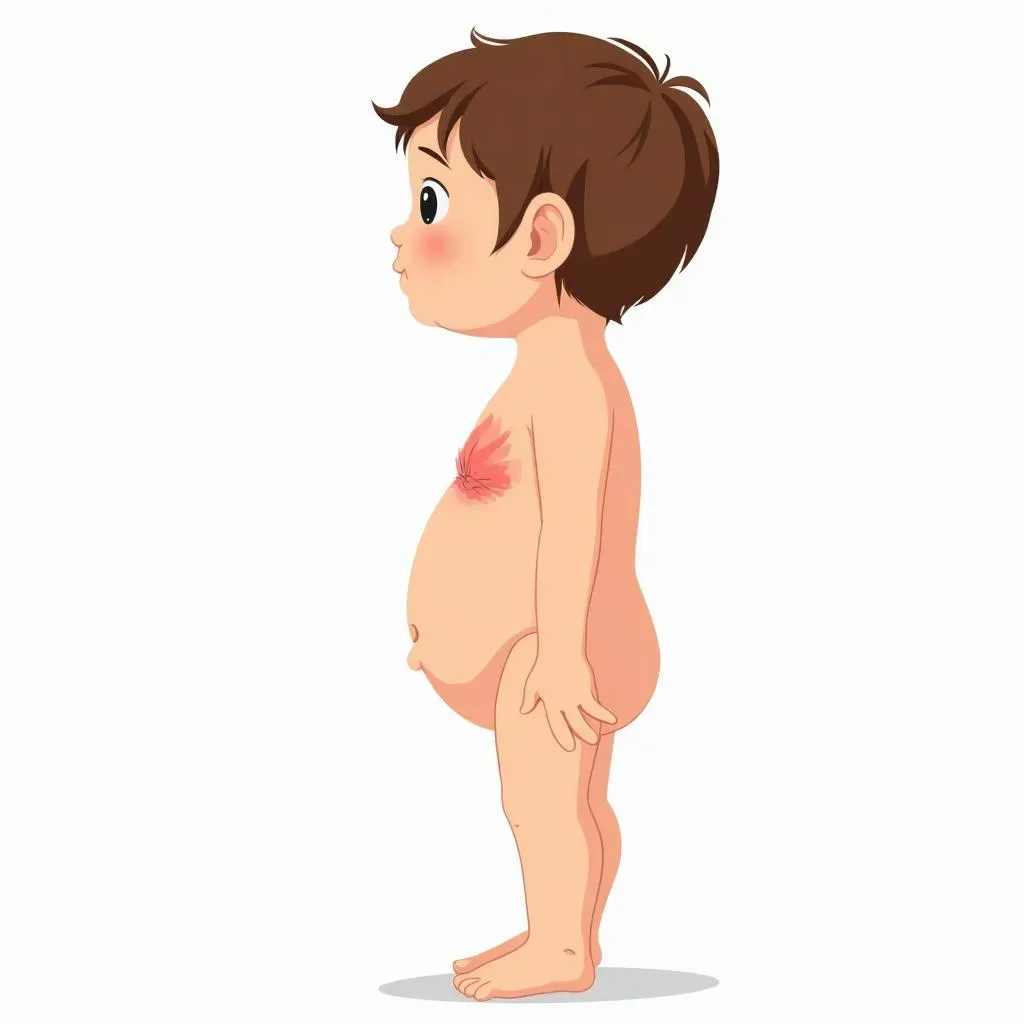
Pectus excavatum is the most common chest wall deformity, characterized by a posterior depression of the sternum and costal cartilages. It predominantly affects males and tends to worsen during the pubertal growth spurt. The orthopaedic assessment is primarily clinical and considers morphology, depth and flexibility of the deformity, symptoms (exercise tolerance, dyspnea, palpitations), psychosocial impact, and any associations with posture or spine alignment. When indicated, cardiac, respiratory, and imaging workup is added to quantify the deformity and rule out compression of internal structures. In mild-to-moderate flexible forms, postural exercises and trunk strengthening may be recommended. For structured options — such as the vacuum bell or, in severe symptomatic forms, surgical correction (e.g. the minimally invasive Nuss procedure) — the pathway is a referral to a dedicated paediatric thoracic surgery team, ideally within a multidisciplinary evaluation.
Assessment and treatment
When to seek evaluation
- Visible sternal depression
- Psychological discomfort related to appearance
- Reduced exercise tolerance, dyspnea, palpitations
- Worsening during pubertal growth
- Family history of pectus or Marfan syndrome
What is evaluated
- History and reported symptoms
- Clinical and photographic assessment
- Flexibility of the chest wall
- Cardiac and respiratory workup when clinically indicated
- Advanced imaging in candidates for surgical treatment
- Consideration of family history or suspected associated syndromes
Treatment options
- Observation and reassurance in mild forms
- Postural physiotherapy and trunk strengthening
- Referral to a paediatric thoracic surgery team for vacuum bell assessment in selected flexible deformities
- Referral to a paediatric thoracic surgery team for surgical evaluation (e.g. Nuss procedure) in severe or symptomatic forms
- Multidisciplinary discussion in more complex cases
Frequently Asked Questions
Is pectus excavatum dangerous for heart and lungs?▼
How does the vacuum bell work?▼
When is the Nuss procedure considered?▼
Is pectus excavatum hereditary?▼
Can worsening during growth be prevented?▼
Important Notice: The information on this page is for educational and informational purposes only and does not constitute medical advice. Each clinical case is unique: the appropriate treatment is determined during the specialist consultation, based on a thorough clinical examination and, where necessary, diagnostic imaging. For any doubts or concerns, please consult a specialist.