Persistent pain after trauma with normal X-ray: how to interpret it
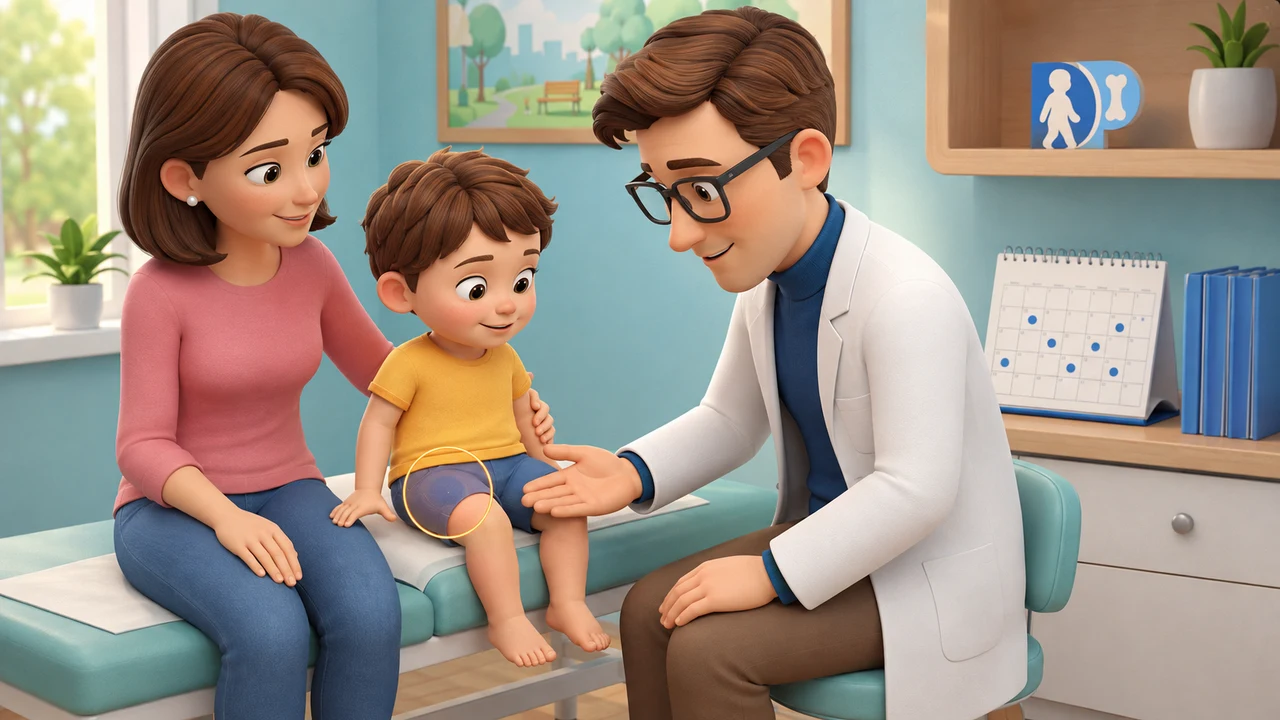
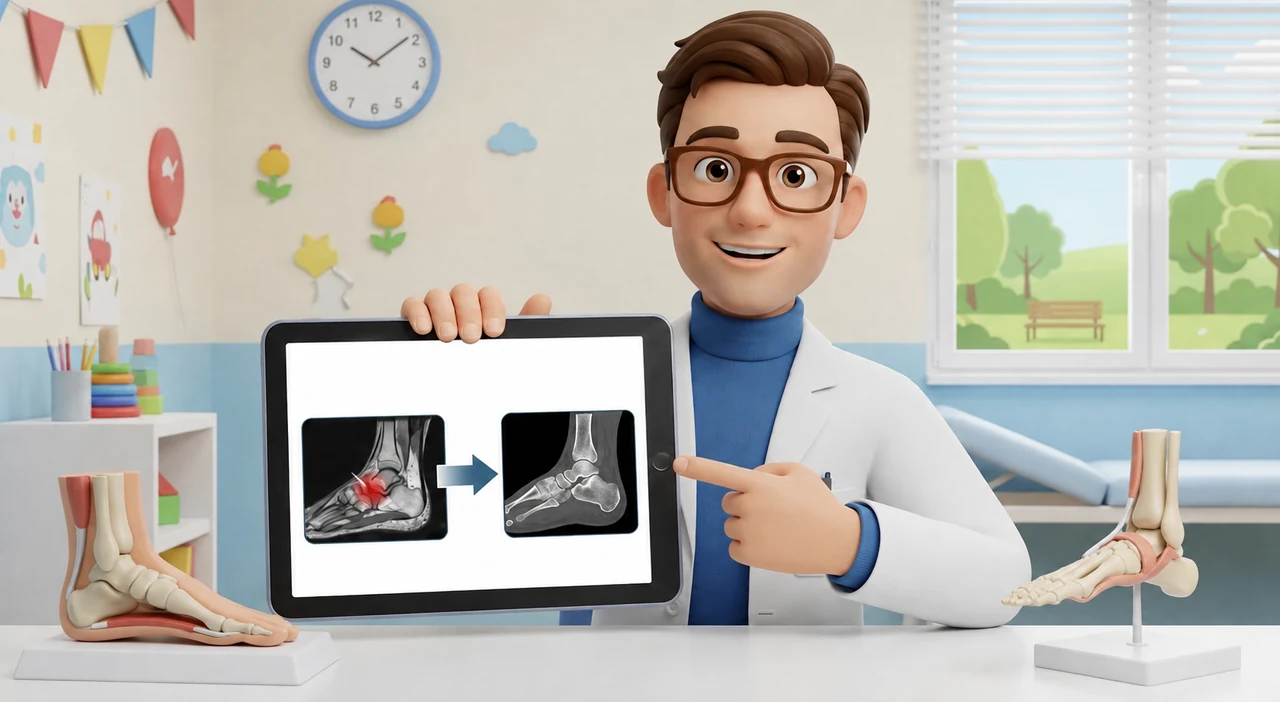
A normal X-ray after an injury is generally reassuring: it shows no obvious fractures, dislocations, or other bone alterations recognizable in the…
ReadClinical insights, updates from the literature and practical guidance for parents and professionals.
This page has been automatically translated using AI technology. Some content may differ from the original Italian version.
A normal X-ray after an injury is generally reassuring: it shows no obvious fractures, dislocations, or other bone alterations recognizable in the…
Read
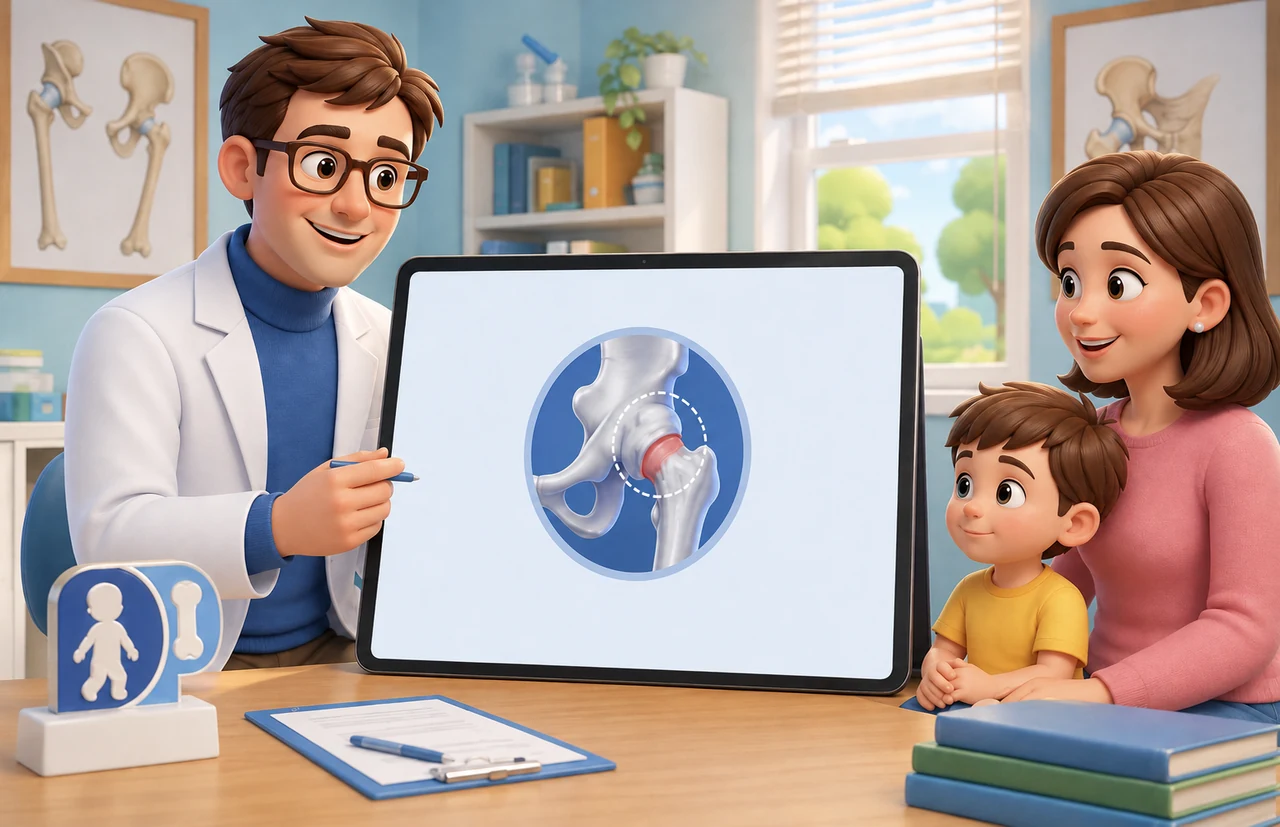
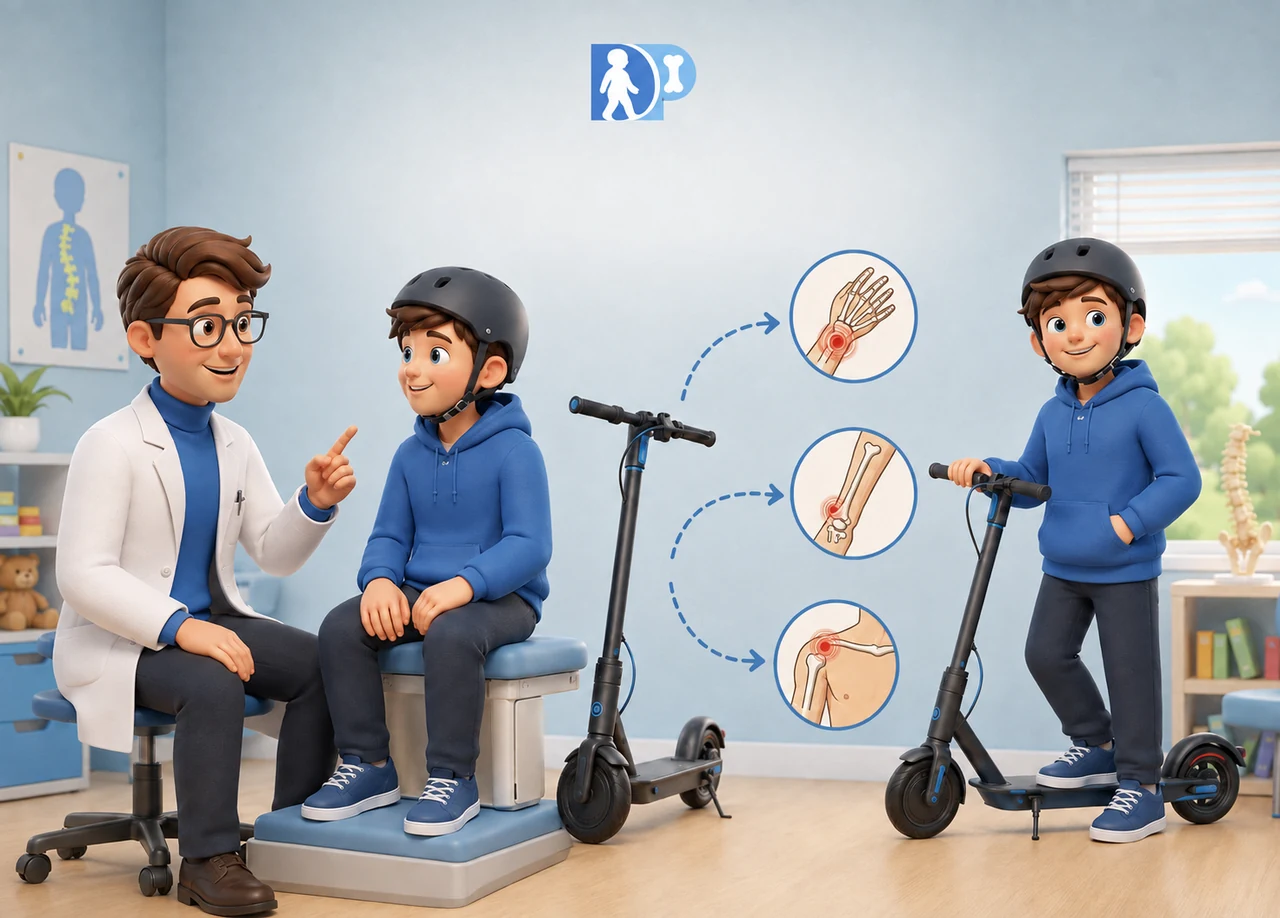
For some years now, electric scooters have also entered the field of pediatric traumatology. We see this mainly in adolescents, with wrist, forearm,…
Read
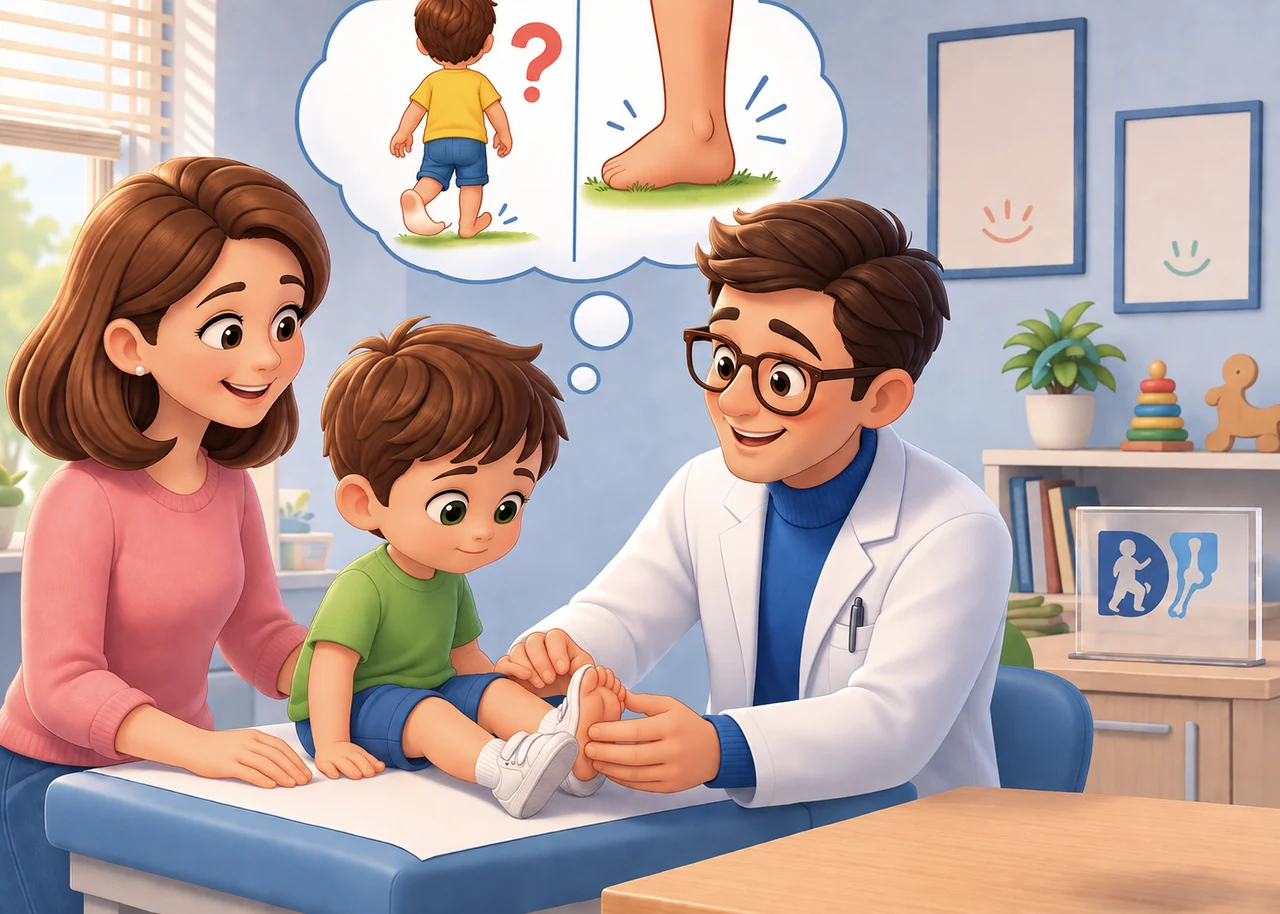
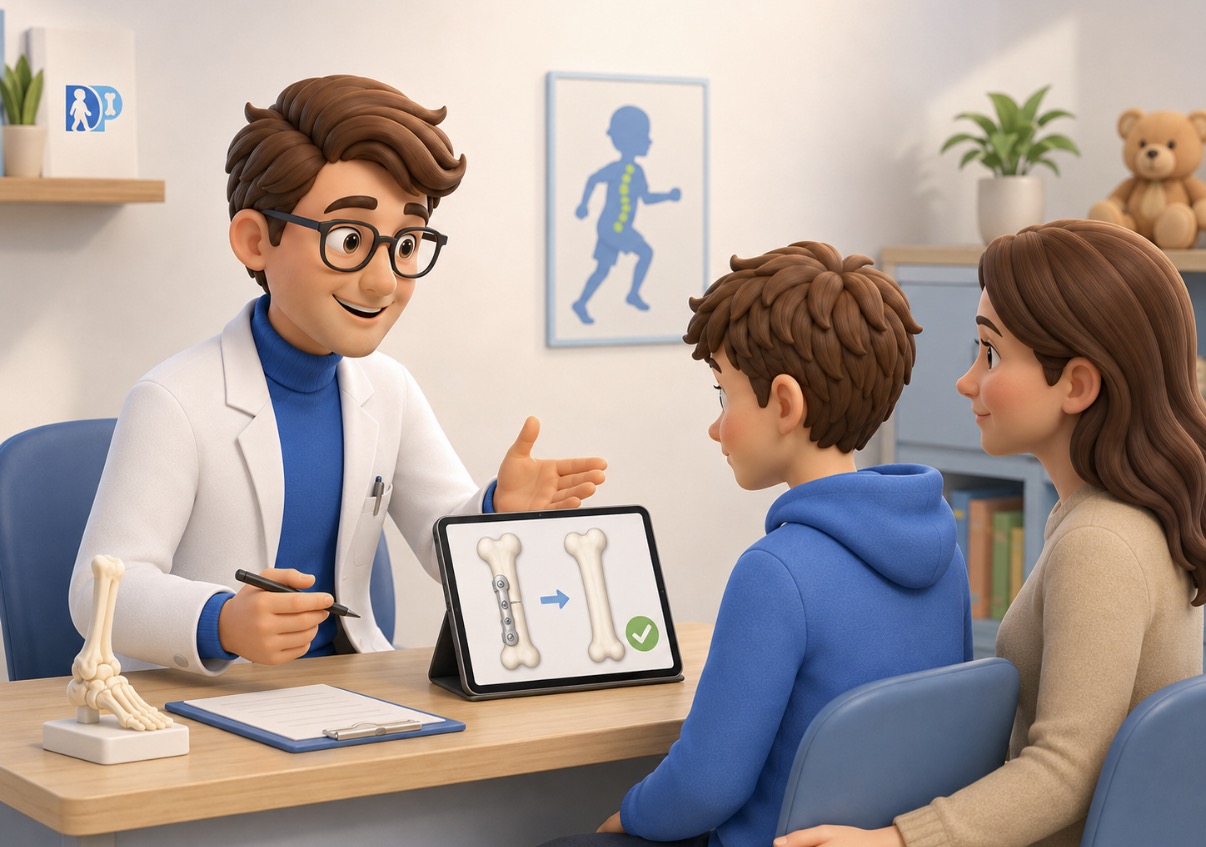
When a fracture has healed and the child has returned to their activities, a second question often arises: "Should the hardware be removed?" The…
Read

“Can they go to the gym, or is it too soon?” This is an increasingly common question. Today, many young people are becoming interested in…
Read
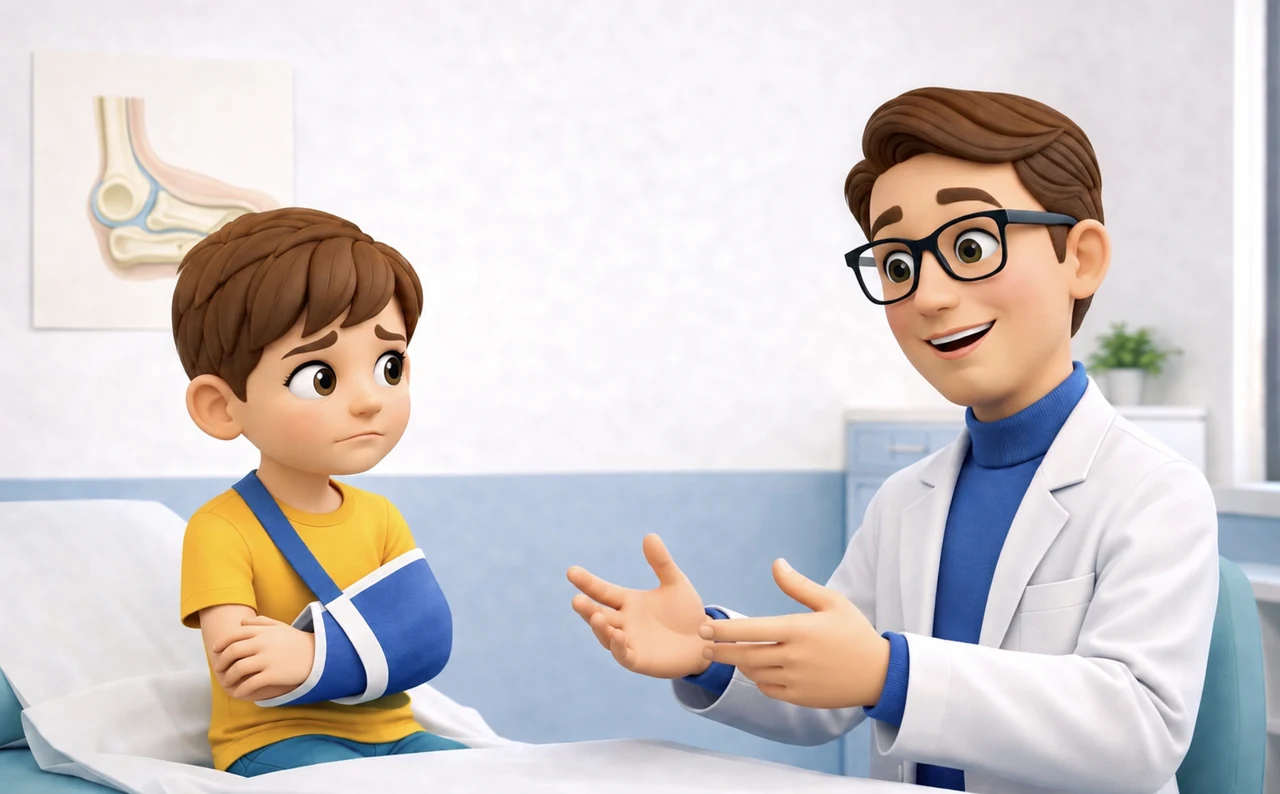
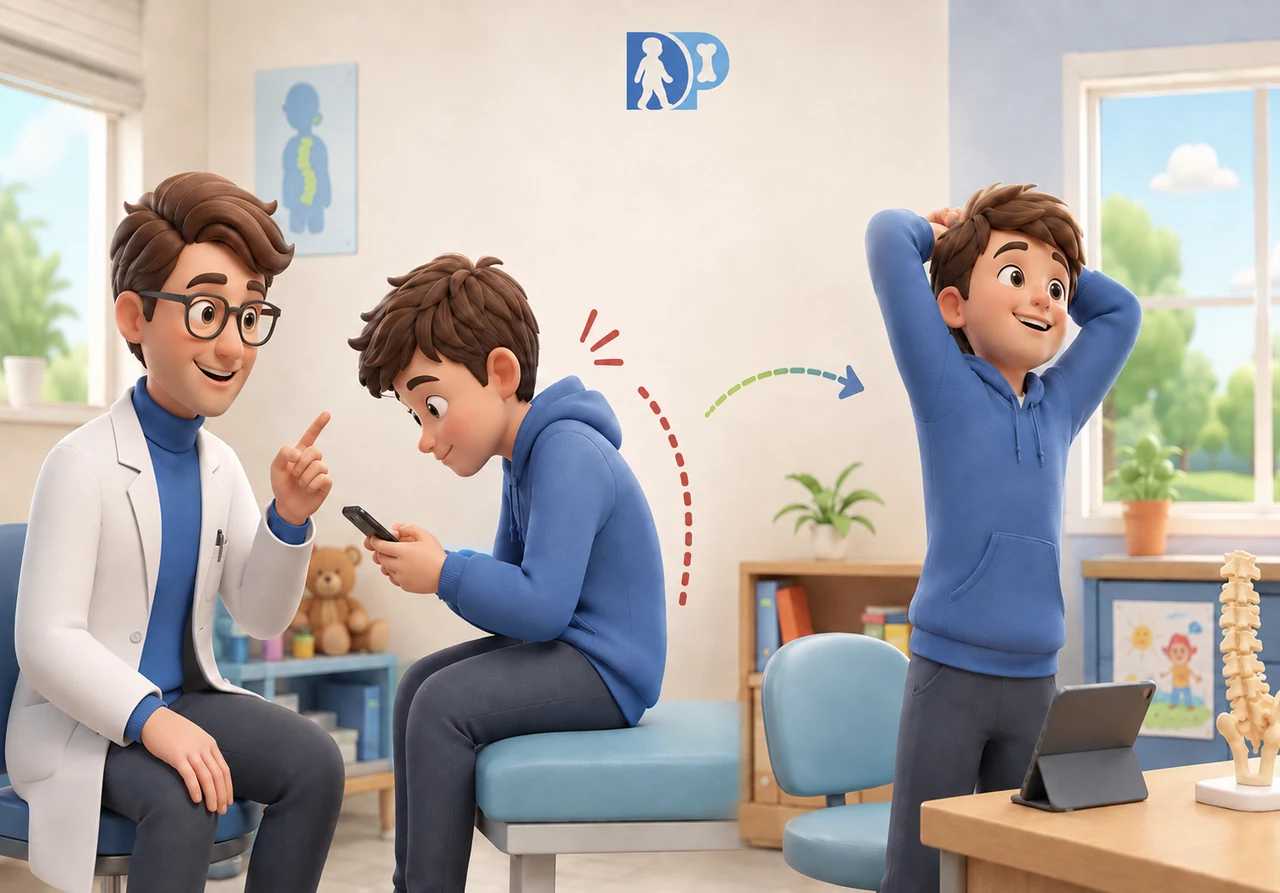
It's easy to attribute an adolescent's back pain to hours spent in front of a screen. The connection seems plausible: a lot of sitting time, neck…
ReadIn Song V lateral condyle fractures, the fragment is completely displaced and rotated. The cartilaginous component of the joint surface is poorly…
Read
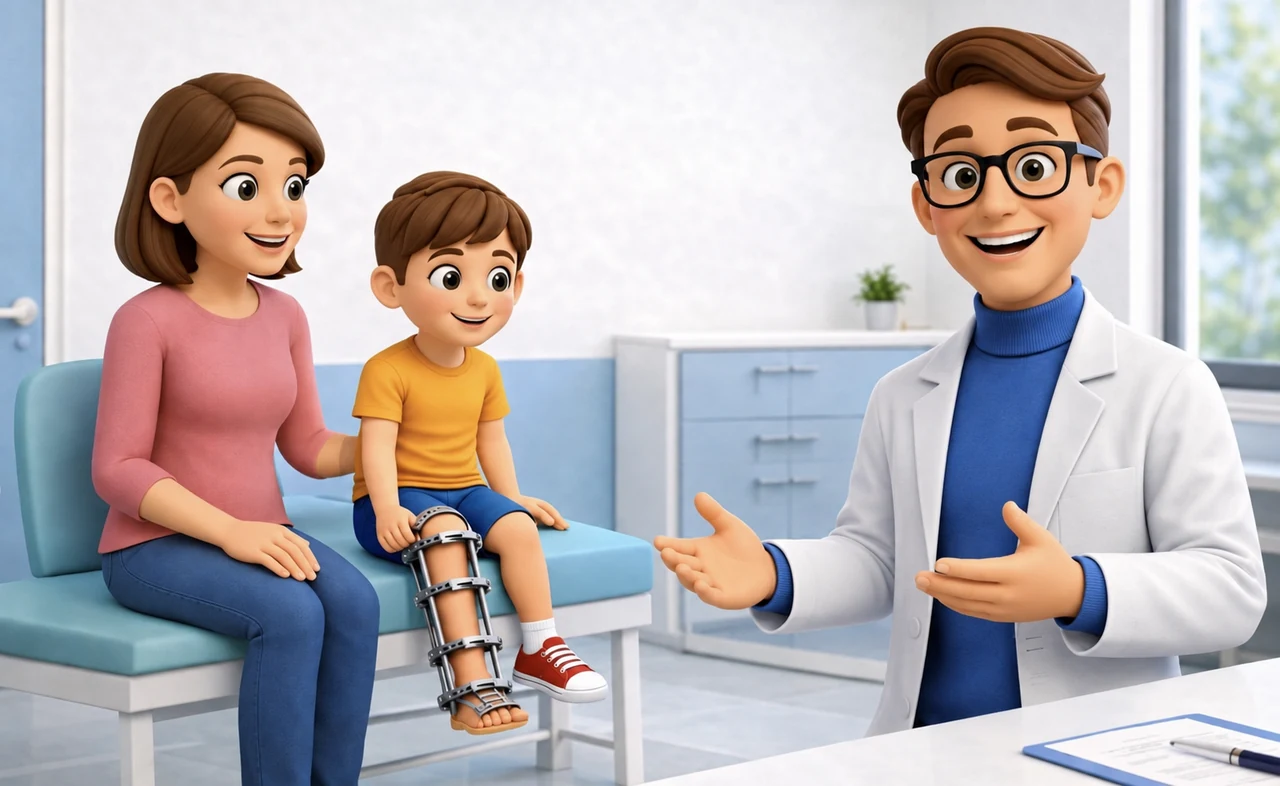
In symptomatic discoid lateral meniscus, saucerization serves to reshape the meniscus; suture is added when the peripheral rim is unstable or has a…
Read
When a supracondylar humerus fracture is severely displaced, the preoperative explanation is more or less this: we will try to realign it without…
Read
This study addresses a very specific problem: what happens in the days following when a child's supracondylar fracture has been chosen for…
Read
In Blount's disease, proximal tibial deformity must be considered alongside age, residual growth, weight, mechanical axis, articular component, and…
Read
Pediatric septic arthritis is a diagnosis where time is of the essence, but the most challenging cases are not always those with high fever, very…
ReadA fracture of the medial epicondyle of the elbow can present as a small avulsion or as a much more unstable injury, often associated with…
Read
Distal radius fractures are among the most common injuries in pediatric age. In young children, the remodeling potential is often remarkable,…
Read
Lateral ankle sprains are very common in children and adolescent athletes. In some injuries, the ligament can avulse a small fragment from the distal…
Read
After TEN/ESIN synthesis of the radius and ulna, many centers schedule an X-ray at approximately four weeks almost automatically. A recent paper…
Read
"Doctor, do all these X-rays hurt?" is an understandable question, especially when a child has already had multiple X-rays for a fracture, scoliosis,…
Read
A sudden limp can be due to a minor injury, but age significantly changes the diagnoses to consider. A 2-year-old child who refuses to bear weight…
ReadOsteonecrosis of the femoral head remains one of the most feared complications after surgical treatment for developmental dysplasia of the hip. A…
Read
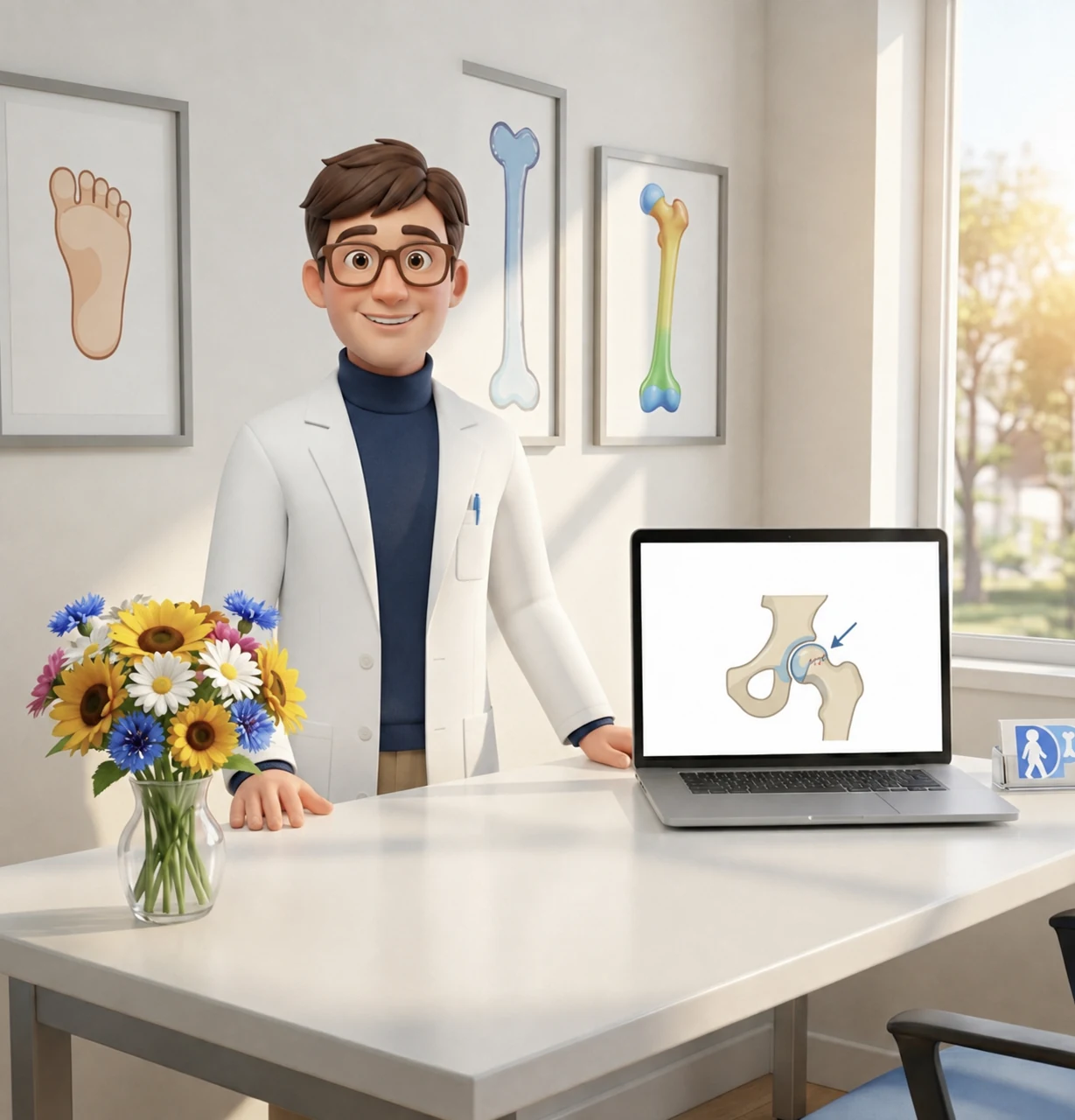
Legg-Calvé-Perthes disease is an idiopathic osteonecrosis of the femoral head that goes through phases of necrosis, revascularization, resorption,…
Read
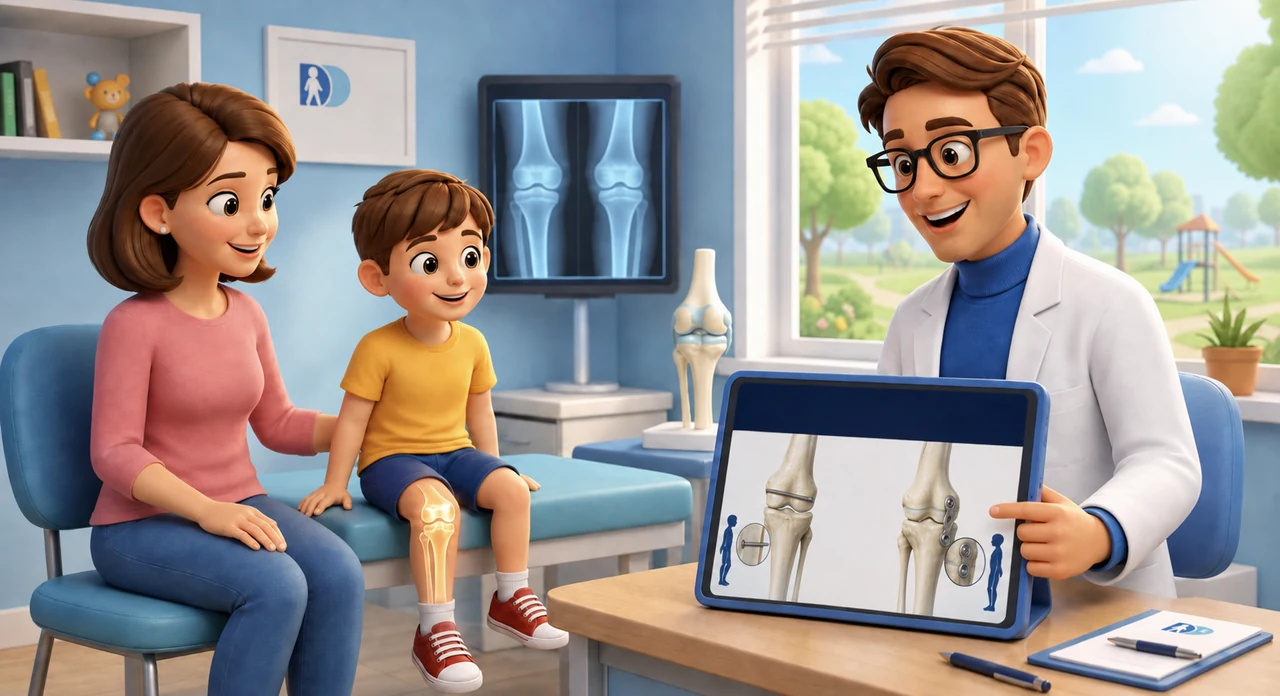
In pediatric knee guided growth, the correction speed is important, especially when residual growth is limited. However, it is not the only useful…
Read
SCFE, or Slipped Capital Femoral Epiphysis, continues to be one of the pediatric orthopedic diagnoses where delay truly matters. During the waiting…
Read
Magnetic resonance imaging is often the most useful examination for defining the location and extent of a pediatric musculoskeletal infection. The…
Read
It's a very common scenario. A child starts to limp, perhaps after a minor fall or even without a clear injury. An X-ray is taken. The report says…
Read
In many youth sports, specialization comes early: more training sessions, competitions for most of the year, and a progressive abandonment of other…
Read
A study published in 2026 in the Journal of Children’s Orthopaedics followed 140 proximal radius fractures in 138 children and sought to understand…
Read
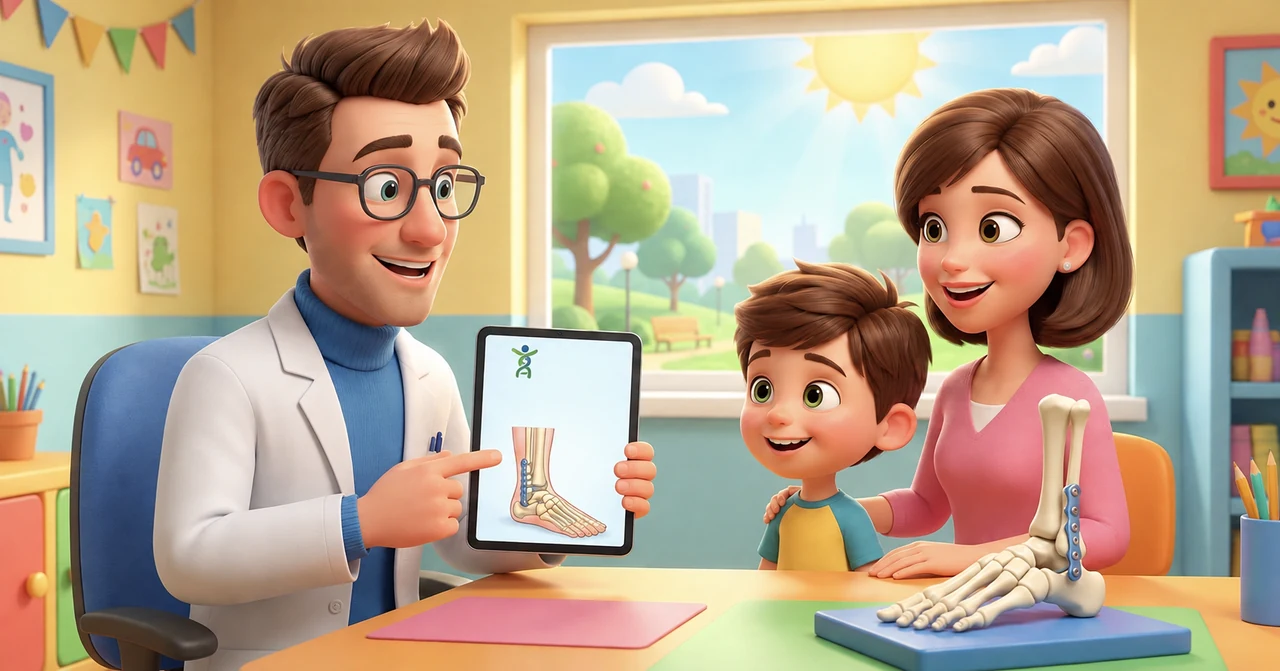
Congenital pseudarthrosis of the tibia (CPT) remains one of the most complex conditions in pediatric orthopedics. Treatment must achieve…
Read
Diaphyseal fractures of the radius and ulna in children can be treated with reduction and casting or, in selected cases, with internal fixation using…
Read
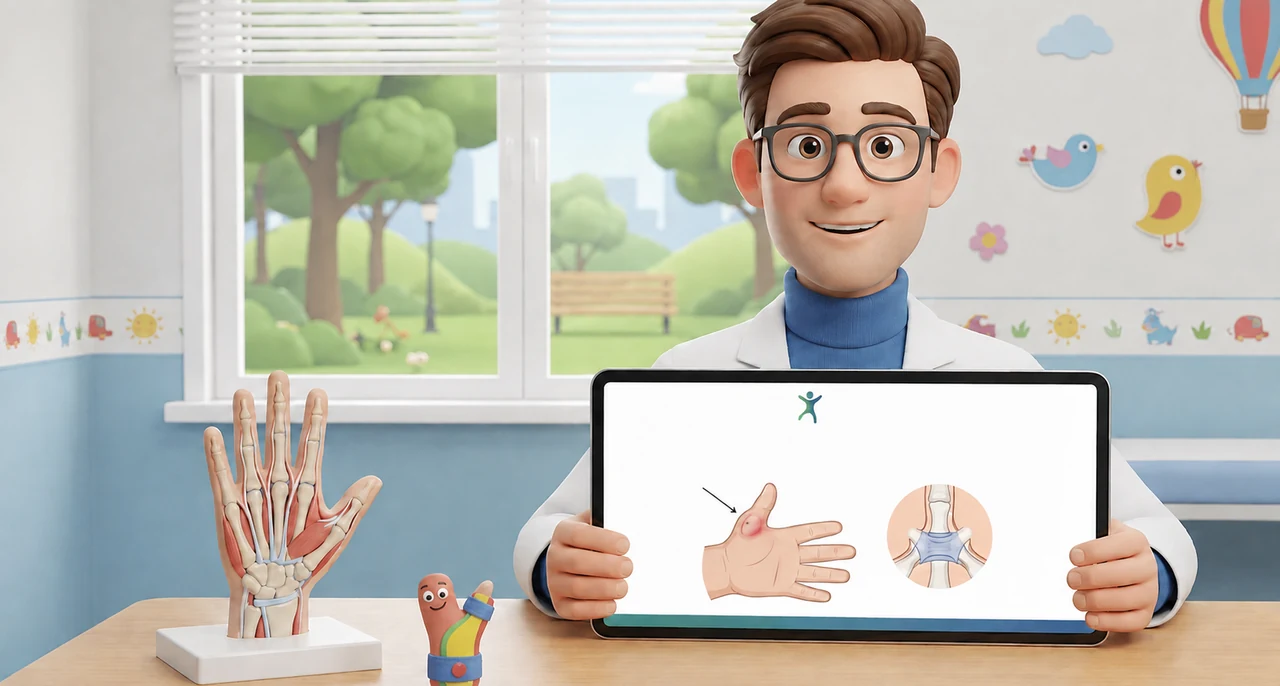
Volar plate avulsions of the PIP are common after hyperextension trauma to the finger, often during sports or play. X-rays may show a small volar…
Read
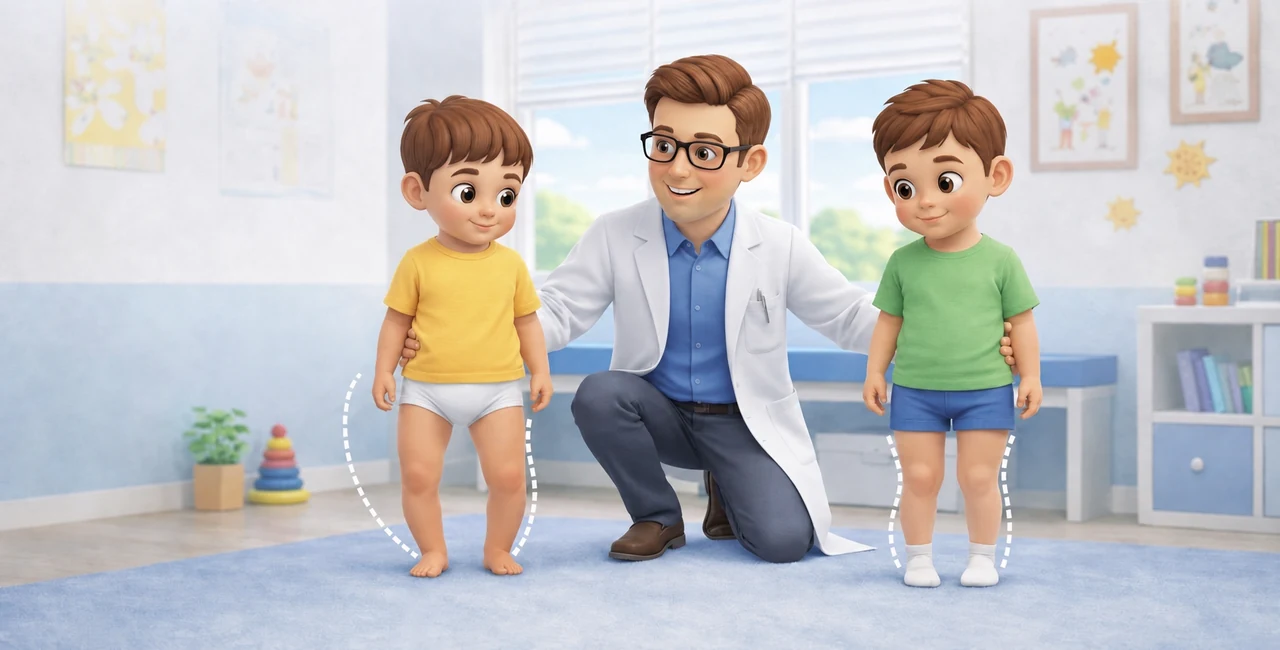
In the first years of life, leg alignment changes significantly. A phase of bow-leggedness (varus) is common in young children; subsequently, the…
Read
Toe walking is common in the early stages of development, especially shortly after a child learns to walk. When it persists, appears later, or is…
Read
Osgood-Schlatter is very common in athletic adolescents and in most cases has a favorable course, but symptoms can last for months and interfere with…
Read
Low-grade acromioclavicular joint injuries in pediatric and adolescent athletes are almost always treated non-surgically. The most frequent question,…
Read
Removing a cast, changing a dressing, or taking out a percutaneous wire are brief procedures, but for some children, they become a significant source…
Read
"Growing pains" describes a common condition of intermittent limb pain, especially in the evening or at night, in children who are otherwise well…
Read
Venous thromboembolism is rare in pediatric orthopedics, but the incidence is not uniform among young children, adolescents, elective surgery,…
Read
The OKkio alla SALUTE 2023 data report that among Italian children aged 8–9 years, 19.0% are overweight and 9.8% are obese; severe obesity affects…
Read
Hindfoot pain, subtalar stiffness, and recurrent sprains are some situations where a tarsal coalition should be considered. X-rays can be…
Read
Noises, clicks, and joint popping are very common in children and adolescents. If the joint is not painful, does not swell, and functions normally,…
Read
In pediatric trigger thumb, A1 pulley release surgery generally yields good results. The decision primarily concerns the timing of surgery and how…
Read
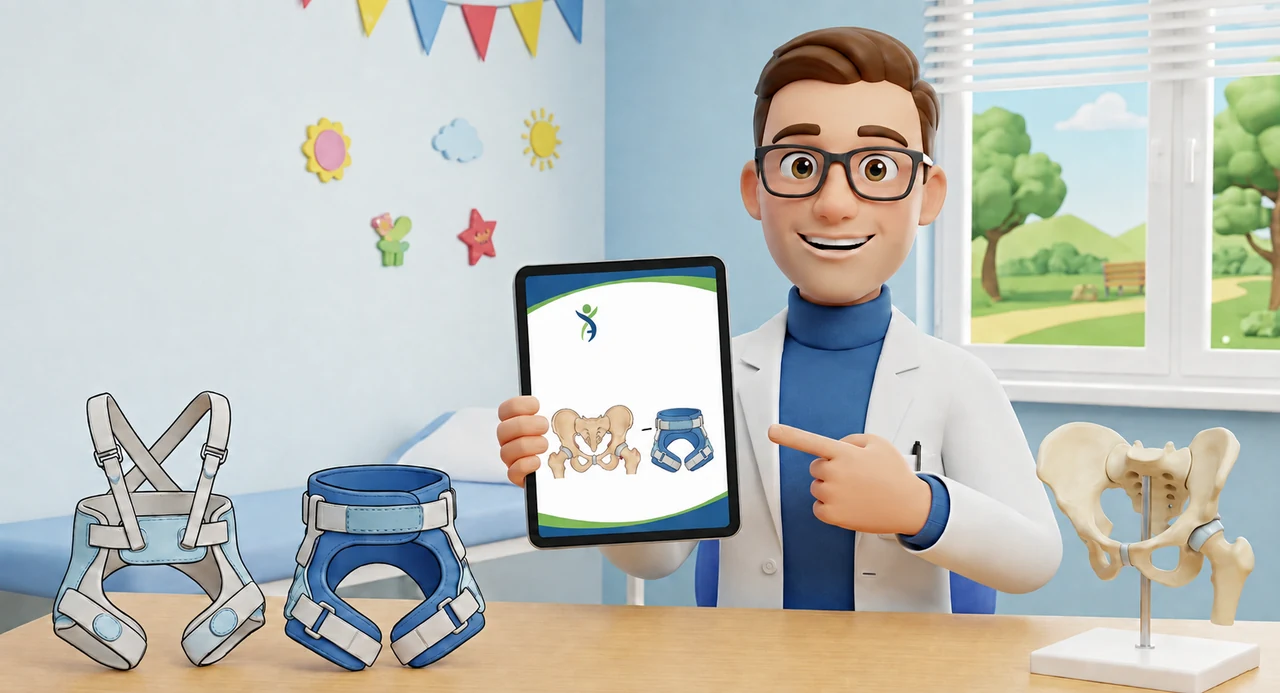
After the ultrasound normalization of a stable dysplasia treated with a dynamic orthosis, the decision remains on how to discontinue treatment:…
Read
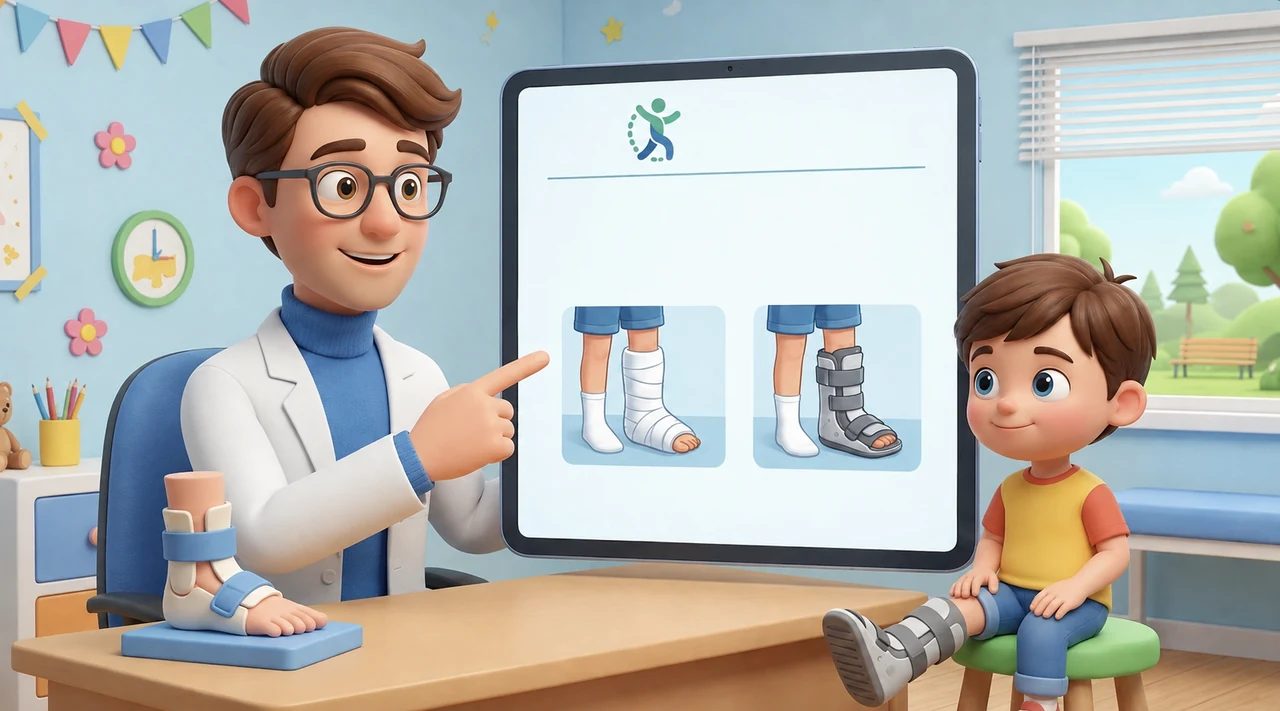
In stable, low-risk pediatric ankle injuries, rigid immobilization is not always necessary. Several trials have compared casts, removable braces, and…
Read
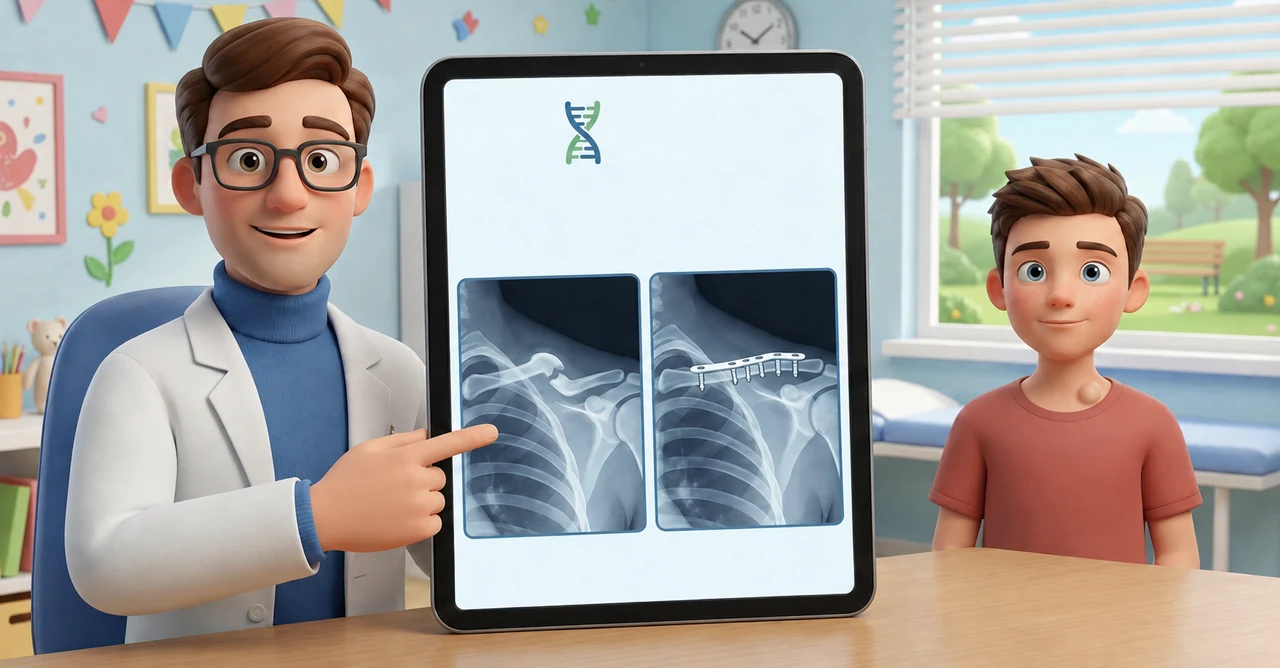
Diaphyseal clavicle fractures in adolescents often heal well without surgery, even when X-rays show significant displacement. In recent years,…
Read
Walking barefoot and walking with shoes are not biomechanically equivalent. They change foot contact, plantar pressures, and some gait parameters.…
Read
A systematic review with meta-analysis published in 2026 gathered 13 studies and 258 neonates with septic arthritis. The estimated proportion of…
Read
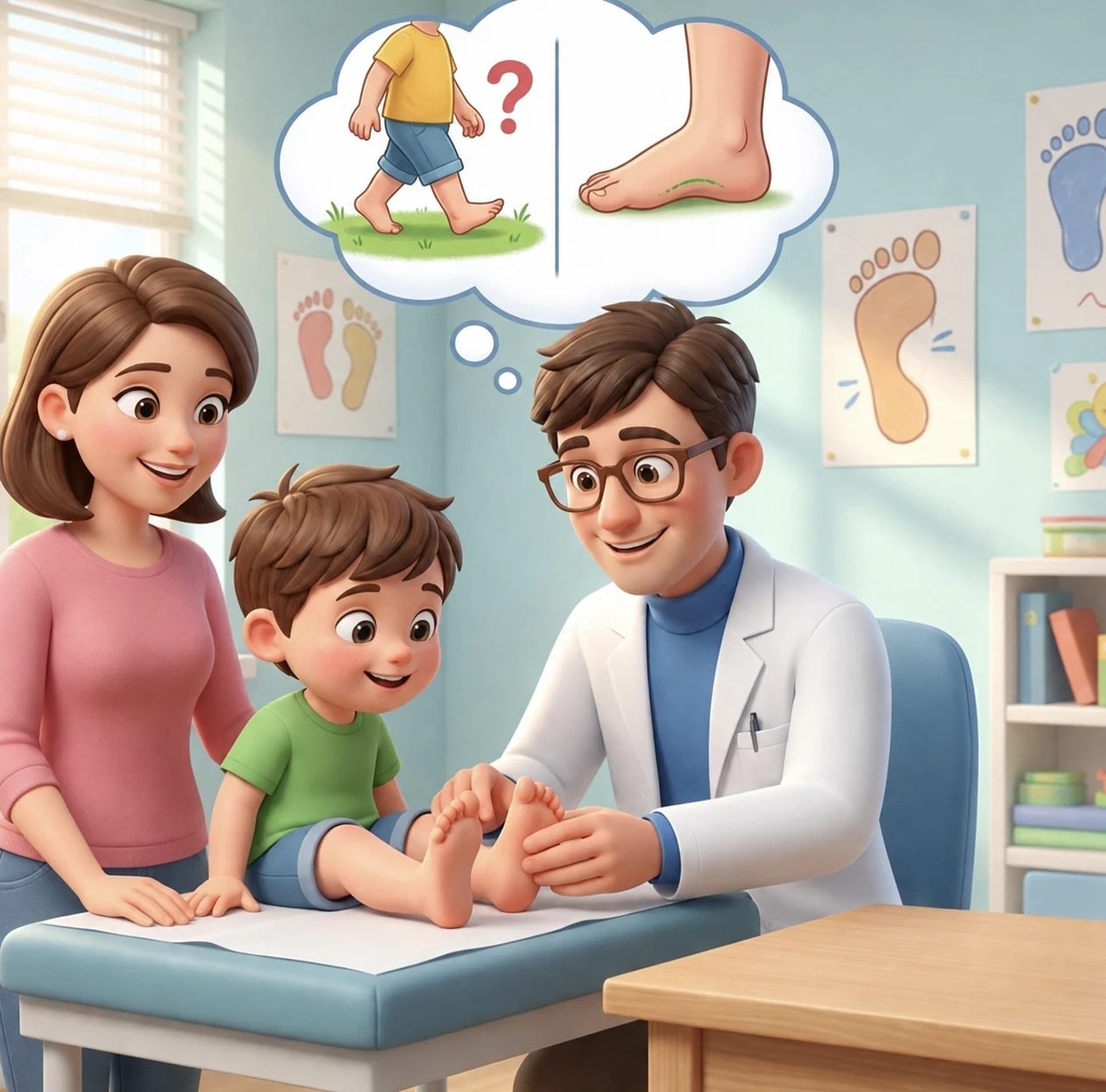
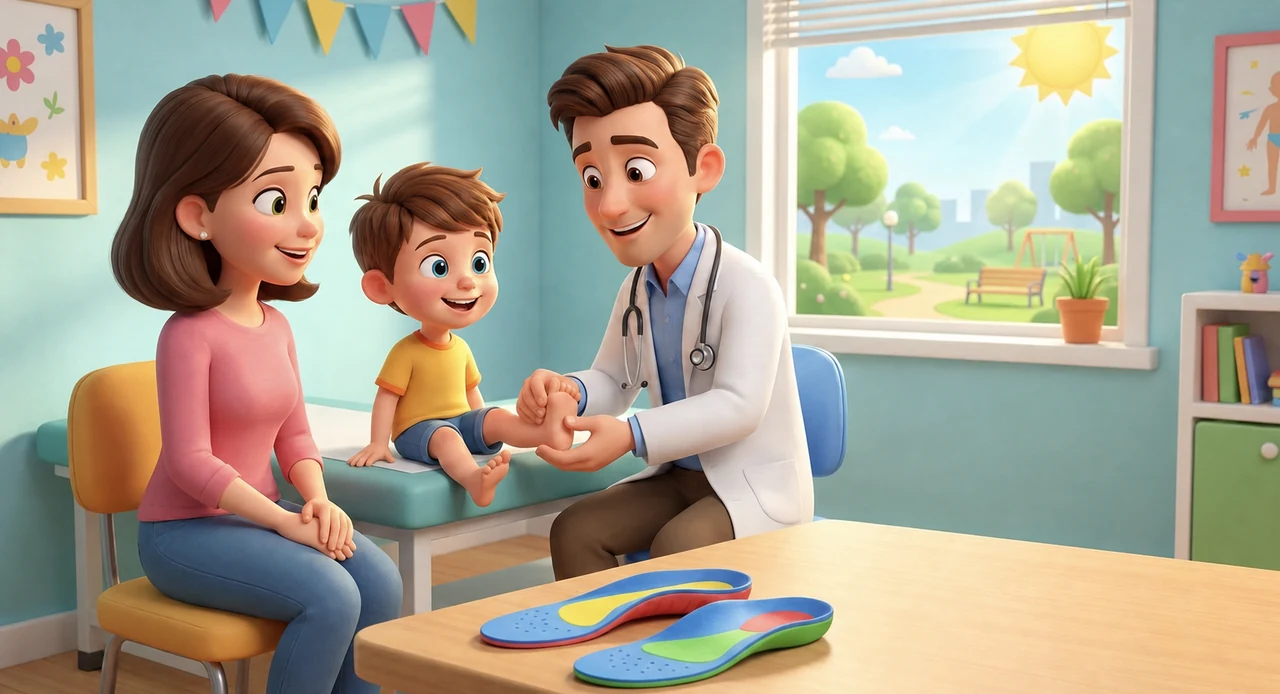
Flexible flatfoot is very common in children. If the arch reappears on tiptoes or when not bearing weight, and the child runs and plays without pain,…
Read
Femoral neck fractures are rare in children, but they carry a high risk of complications, particularly avascular necrosis, premature physeal closure,…
Read
Guided growth of the distal medial tibia allows for progressive correction of ankle valgus by utilizing residual growth. A systematic review…
Read
After a first patellar dislocation, X-rays may be normal or show only modest findings. Magnetic resonance imaging (MRI) allows for the evaluation of…
Read
Obesity is one of the most recognized risk factors for SCFE. The relationship, however, is more complex than simply an increased load on the hip…
ReadNursemaid's elbow, also known as radial head subluxation, is a common injury, especially in children between 1 and 4 years old. It often occurs after…
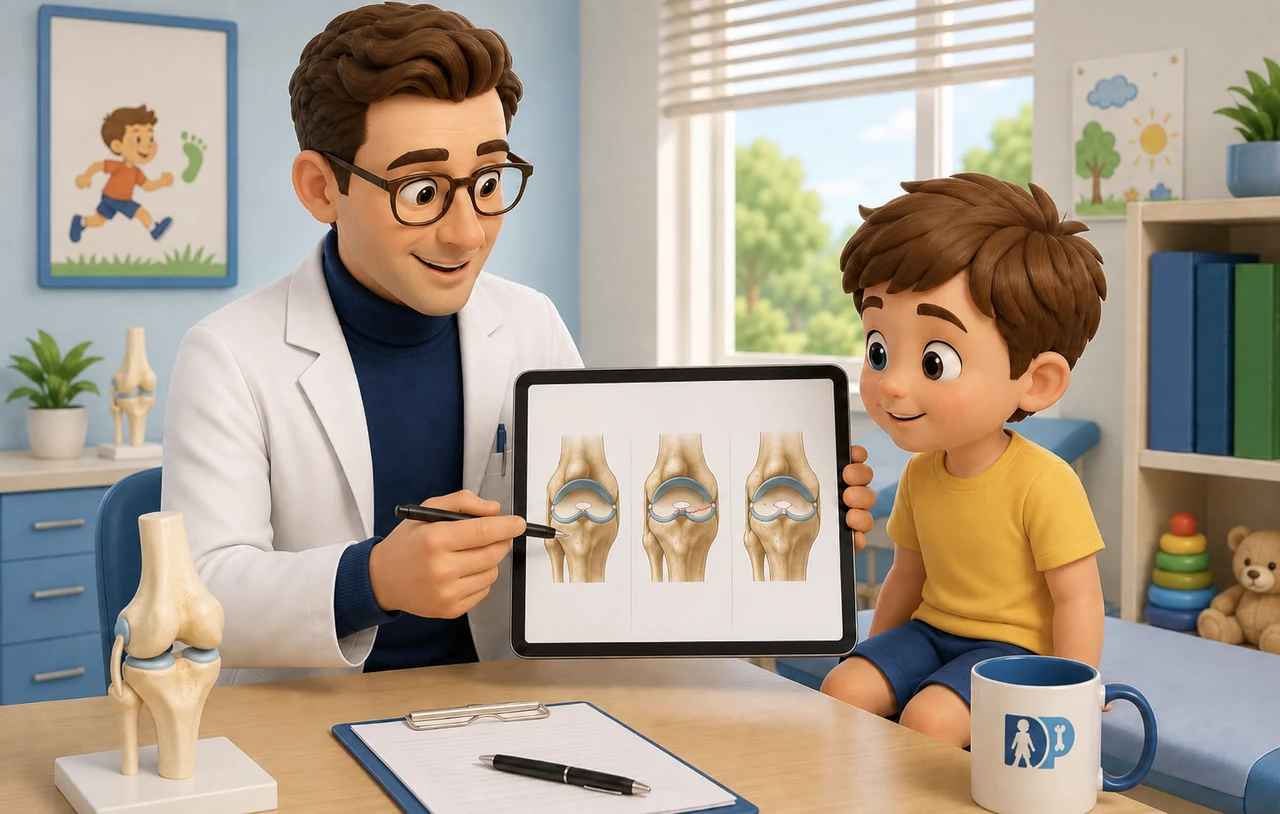
ReadThe term osteochondrosis encompasses very different conditions of growing bone. Perthes, Osgood-Schlatter, and Freiberg's disease share the…
ReadShoes, backpacks, and sports load are often blamed when a child experiences foot, knee, or back pain. Some daily choices can improve comfort and load…
ReadHip ultrasound allows for early detection of developmental dysplasia of the hip (DDH), when treatment is generally simpler. For newborns with a…
ReadA multicenter randomized trial published in the British Journal of Sports Medicine compared two strategies for active lumbar spondylolysis in…
ReadFor information or questions, email me or view the locations and contact details.
Email: daniele.priano@ortopediaevolutiva.com