Feet pointing inward: growth and reasons for assessment
An illustrated guide to in-toeing: possible contributing areas, observing walking and signs that warrant assessment.
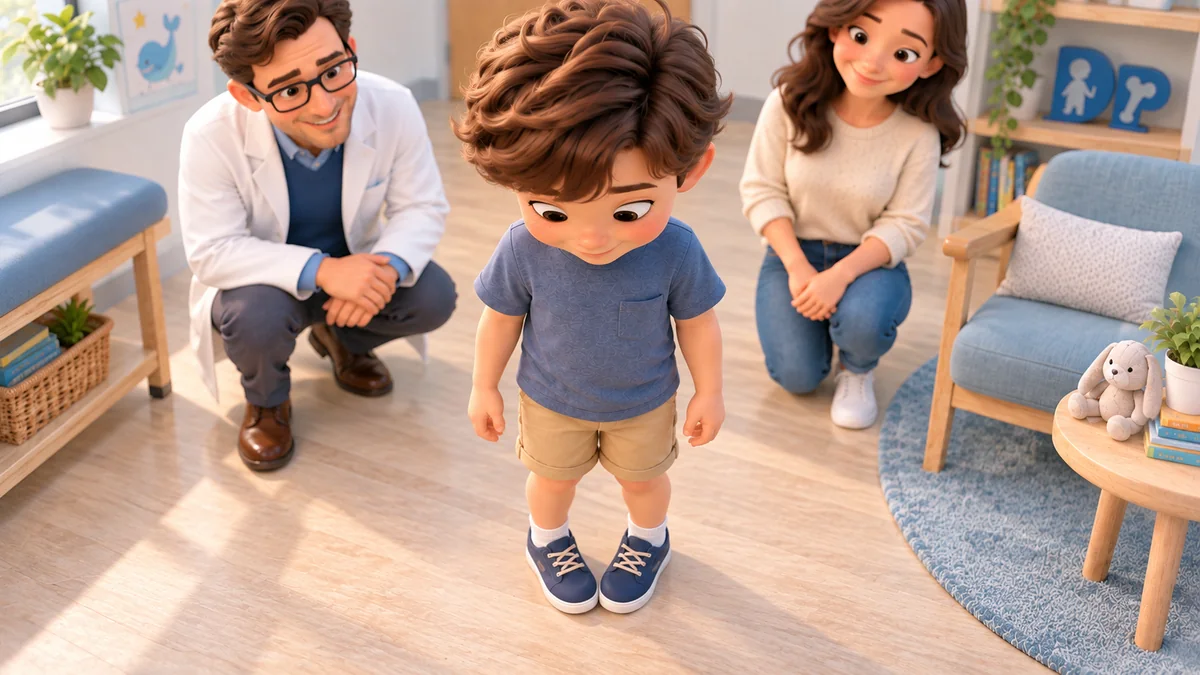
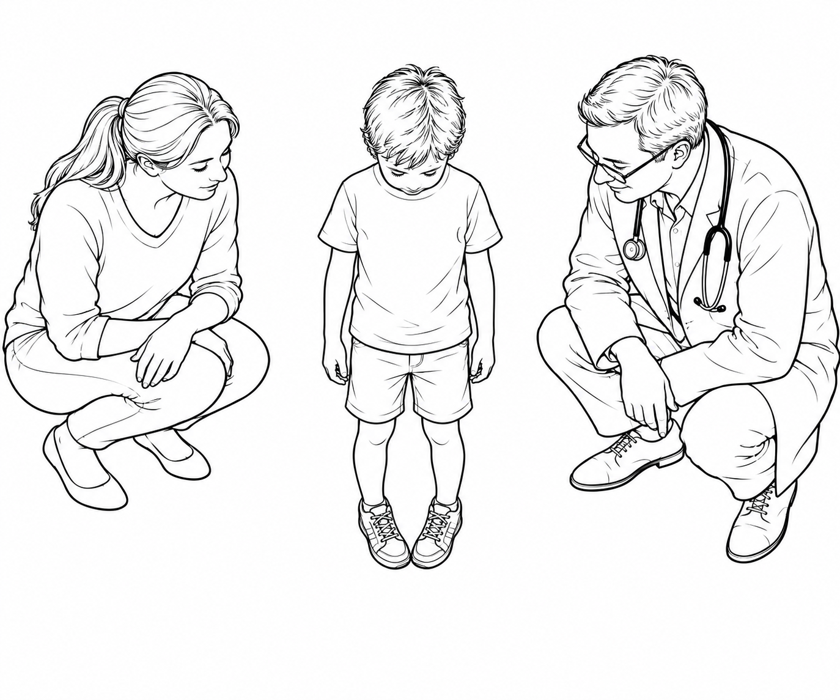
Feet pointing inward
In-toeing can arise from the foot, shinbone or thighbone. In children it is often a developmental variation.
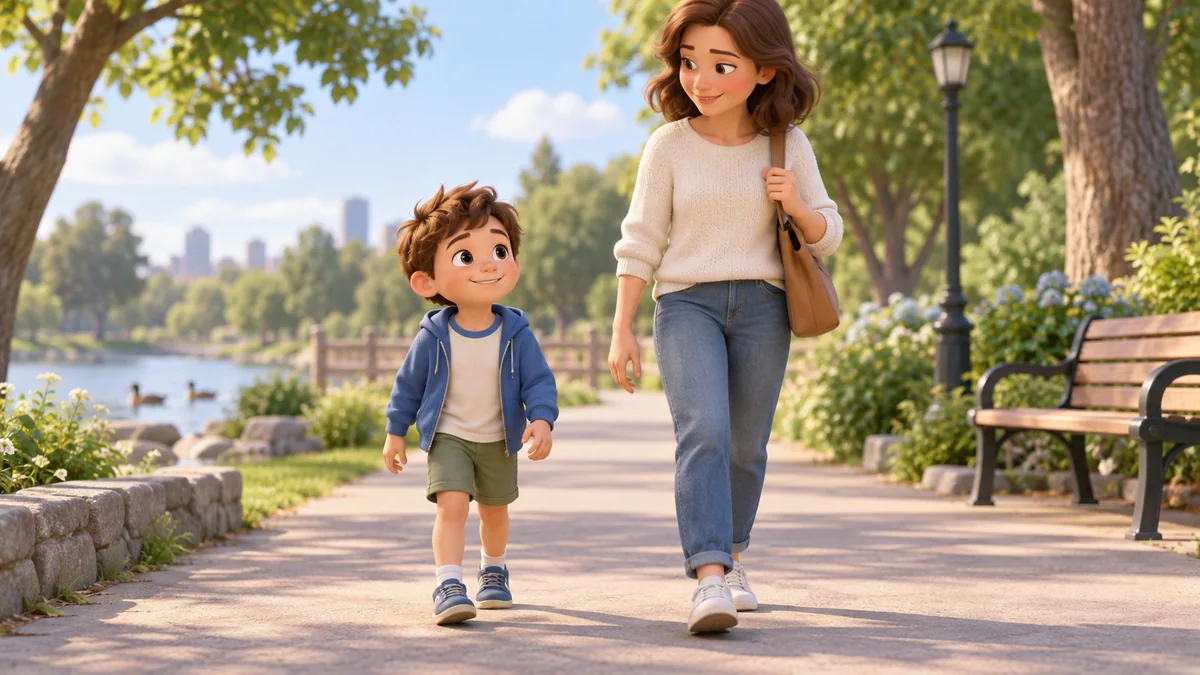
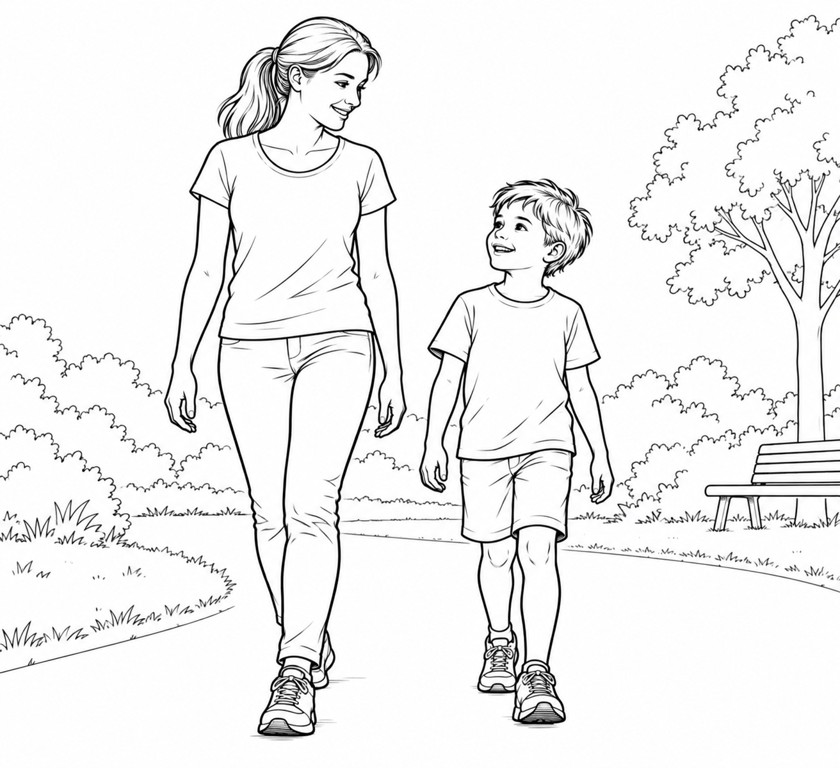
Observe function
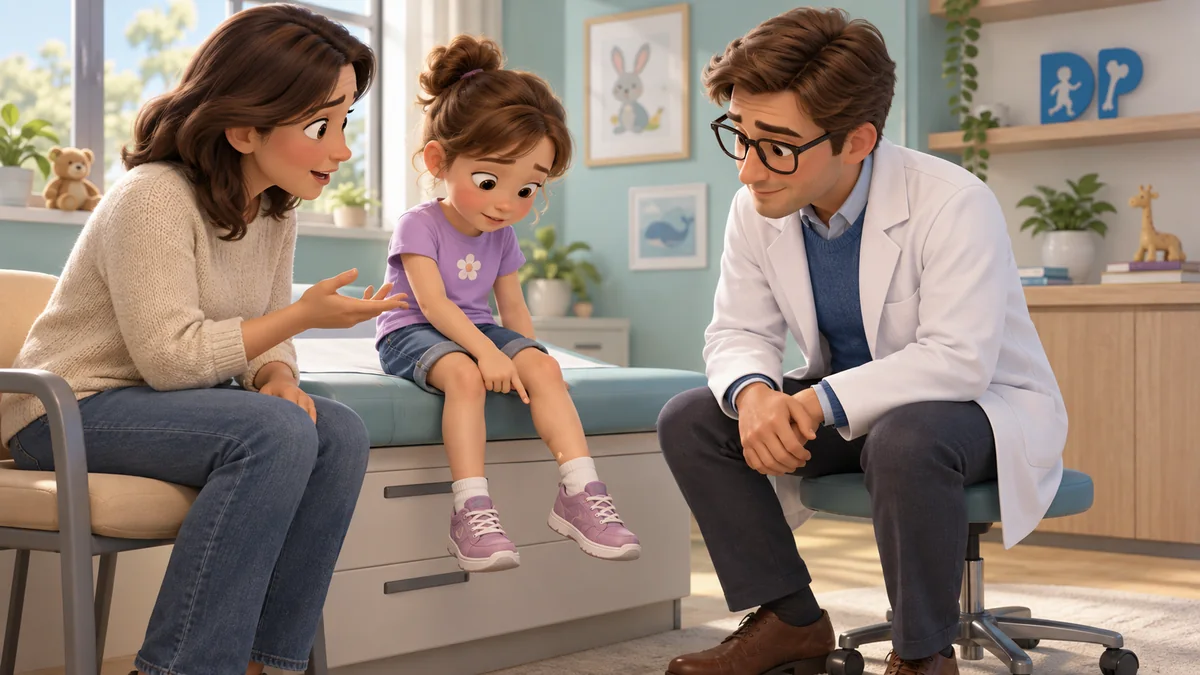
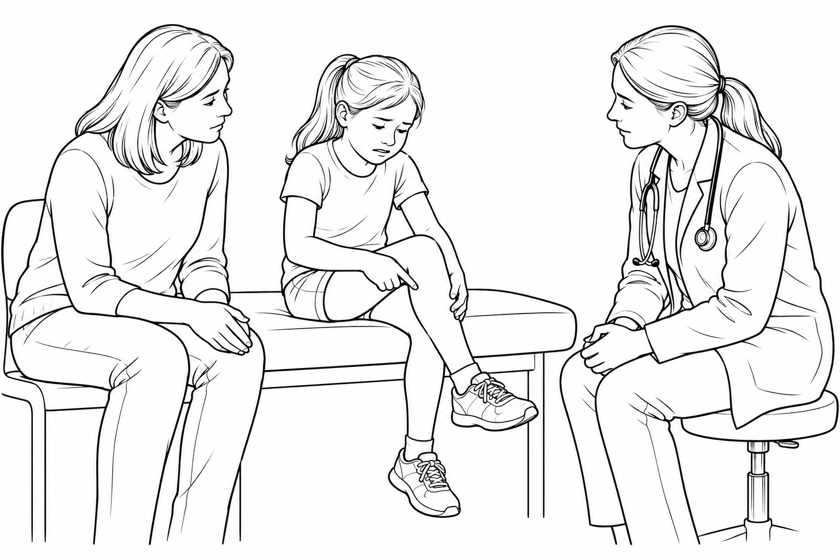
Discuss walking, tripping and changes with the paediatrician. Special shoes and exercises do not correct bony torsion. A programme may be selected for an identified strength or coordination difficulty; a painless physiological variation with comfortable play and walking does not need corrective exercises.
When assessment is needed
Pain, limping, stiffness or a clear difference between sides need assessment rather than waiting for growth to resolve them.
General information; this guide does not replace an individual medical assessment.
Dr Daniele Priano — Paediatric orthopaedics