Back to all videos
    Growth2 min

    Video Explanation: Limb Length Discrepancy – What Parents Need to Know

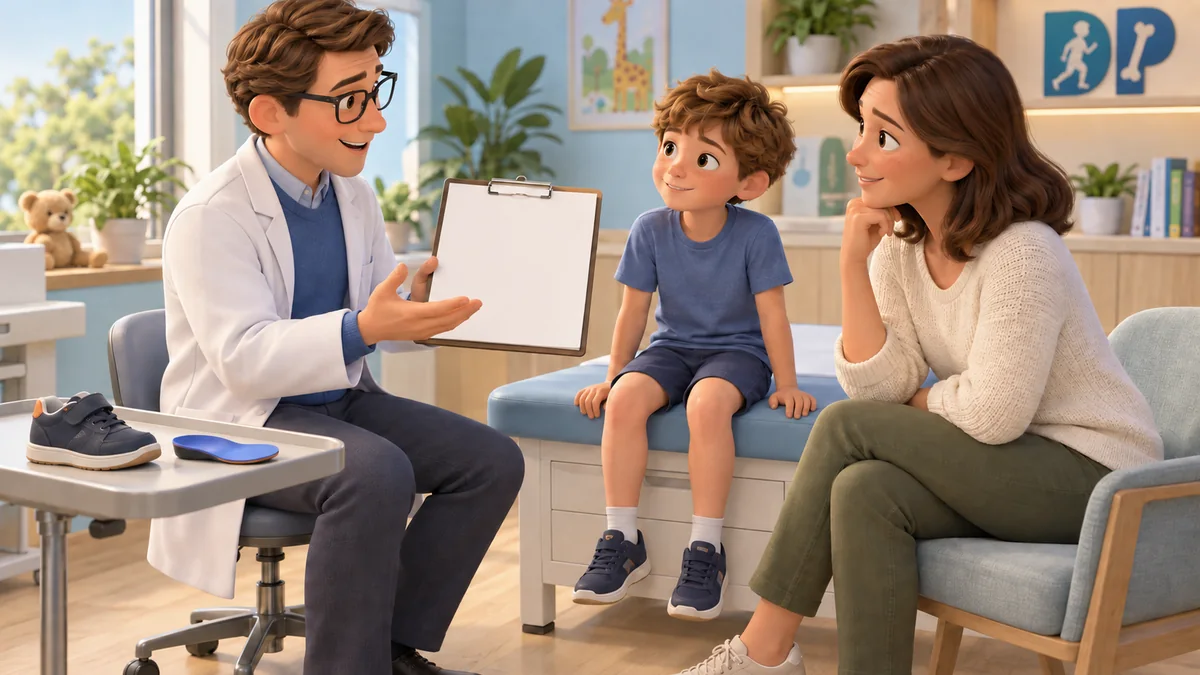
    Watch this video to learn visual checks you can do at home: observing the pelvis, shoulders and gait to spot possible limb length discrepancy.

    Press play to watch the video. Use controls to enable audio.

    In-Depth Explanation

    Limb length discrepancy refers to a difference in length between the two legs. It's more common than people think: studies show that up to 70% of the population has a slight difference, often without knowing it. **How significant is it?** Differences less than 1-1.5 cm are generally considered physiological and don't require treatment. The body naturally compensates through small adjustments of the pelvis and spine. Larger discrepancies, however, can cause postural problems, visible limping, or joint overload over time. **Possible causes:** Discrepancies can be congenital (present from birth) or acquired. Congenital causes include hemihypertrophy, skeletal malformations, and certain syndromes. Acquired causes include fractures (especially those involving the growth plate), bone infections, or conditions like Perthes disease. **How it's measured:** During the visit, the orthopaedist compares leg length with the child lying down and standing. For precise measurement, lower limb X-rays (scanogram) are used to calculate the exact difference in millimeters. **Treatment:** Options vary based on the extent of the difference and the child's age. Shoe lifts can compensate for moderate differences. For larger or progressive discrepancies, surgical techniques exist to slow growth in the longer limb (epiphysiodesis) or to lengthen the shorter one.

    3 Warning Signs to Watch For

    • 1Obvious limping while walking
    • 2Visibly tilted pelvis when the child is standing
    • 3Asymmetric shoe wear or difficulty finding pants of the right length

    Why a Specialist Visit Matters

    Only a specialist can determine the cause of the discrepancy, measure the difference precisely, and most importantly predict how it will evolve during growth. This is essential for deciding if and when to intervene.

    Need a specialist evaluation?

    Book an appointment at Istituto Gaetano Pini or CTO Milan.

    We use technical cookies and, with your consent, aggregated statistics (Google Analytics, anonymized IP, no profiling/remarketing). Privacy Policy