
Back to the paediatric injuries and fractures guide
    Fracture assessmentInformation page for parents

    Ankle fractures in children

    Ankle fractures are common in children and adolescents: falls, sport, a foot that stays fixed while the body rotates. They may involve the medial or lateral malleolus, the distal tibia and fibula and, very often, the growth plate.

    What I assess during the visit

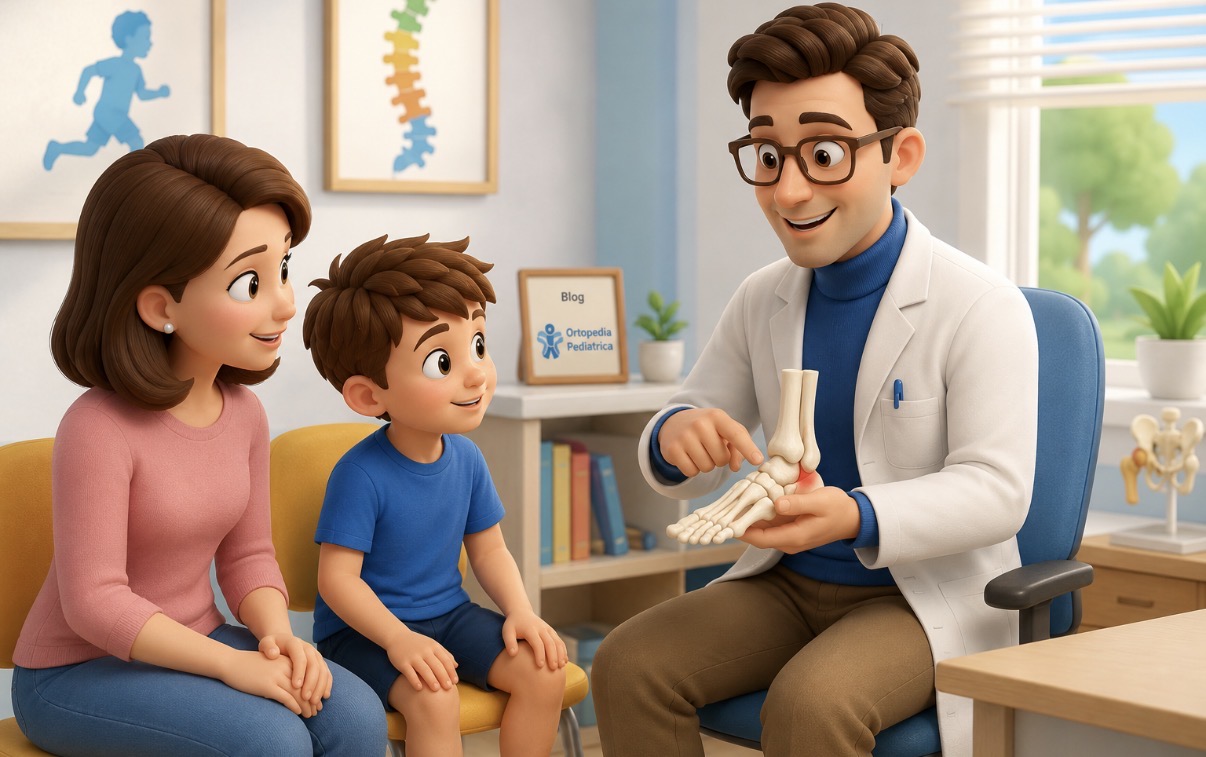
    During the visit I personally review the X-ray images together with the report and any available documentation. I assess the type of fracture, alignment and stability, the child's age and remaining growth, and any relationship with the growth plate. These elements help understand whether the current pathway is appropriate and how to plan the following check-ups.

    The check-up can be useful after an injury, an X-ray or an emergency department visit.

    In the first days it is not always easy to tell a fracture from a sprain. Swelling, pain over the malleolus and difficulty bearing weight can look alike, and in growing children a physeal injury may be subtle even on the first X-rays.

    In case of visible deformity, severe uncontrolled pain, cold or pale fingers, sensory changes, open wounds or major trauma, urgent ER care is required.

    Dott. Daniele Priano - Ortopedico Pediatrico

    🩺Clinical note

    In paediatric fractures it is not only about whether a bone is broken: site of the lesion, growth plate involvement, the child's age and remodelling potential all shape the follow-up plan.

    Malleolar fractures and the growth plate

    In growing children, depending on age and skeletal maturity, an ankle sprain-type injury may also involve the distal tibial growth plate as well as the ligaments. These lesions are usually described according to Salter-Harris, and the position of the fracture line matters both for healing and for follow-up.

    When the fracture crosses the joint surface or involves the physis asymmetrically, attention shifts from simple healing to alignment and to the relationship with remaining growth.
    Differences between children and adolescents

    In younger children, with a lot of growth ahead, physeal and metaphyseal injuries prevail; bone still has remodelling potential, but for the same reason growth plate involvement needs to be followed over time.

    In adolescents, as the growth plate progressively closes, specific patterns appear such as Tillaux and triplane fractures, which arise from asymmetric closure of the distal tibial physis: they are assessed differently because they may involve the joint.

    There is no automatic rule based on age: fracture type, alignment, stability and remaining growth are considered together.

    When an injury looks like a simple sprain

    Injuries are sometimes interpreted as sprains, with pain remaining over the malleolus even after a few days. This does not mean every paediatric sprain hides a growth plate injury: in most cases it does not, but the overall clinical picture is what guides the assessment.

    Persistent malleolar pain or difficulty bearing weight are among the elements the doctor considers when deciding whether further follow-up or imaging is useful, read together with age, injury mechanism and the images available.

    What matters in the assessment

    The assessment brings together several elements: age and remaining growth, fracture site, relationship with the growth plate and the joint, alignment and stability over time. Follow-up, timing and guidance on weight bearing and return to activity all depend on this picture.

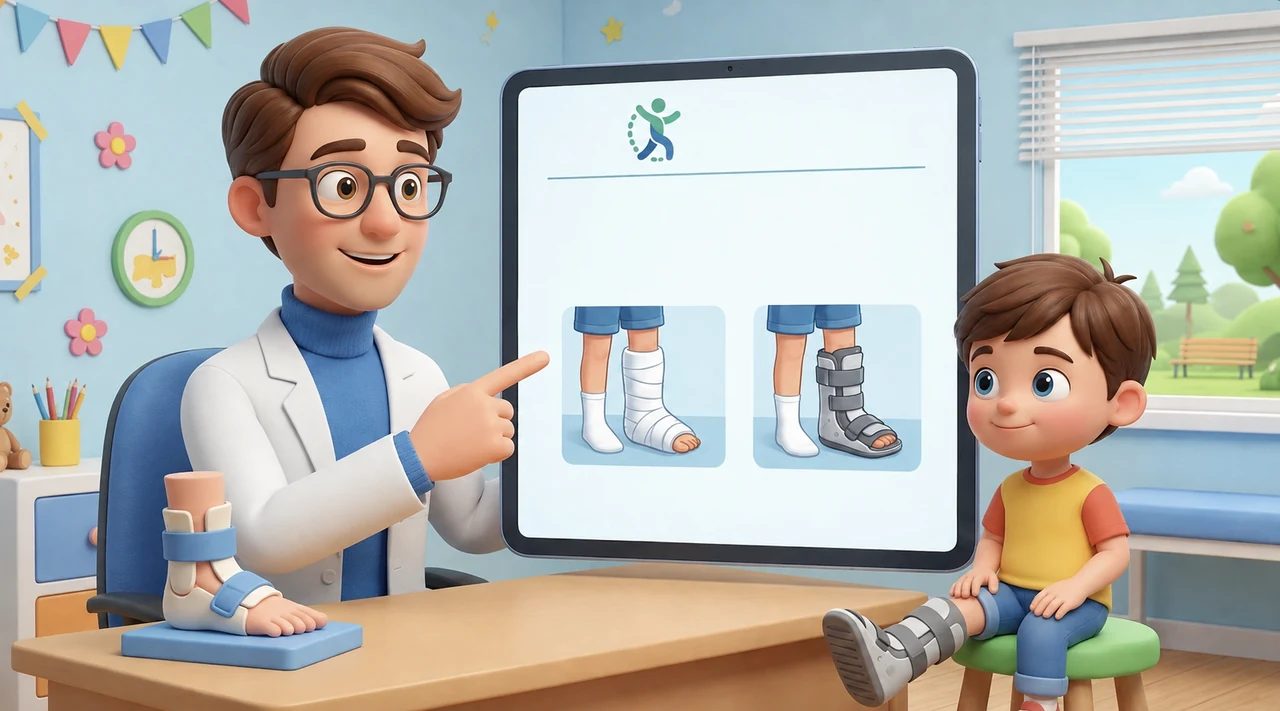
    Treatment decisions, conservative or surgical, are not set on an information page: they belong to the visit and to the individual case. The pages on surgical treatment of ankle fractures cover that side specifically.

    Possible aspects to check

    • fracture site: medial or lateral malleolus, distal tibia
    • growth plate involvement
    • possible joint surface involvement
    • age and remaining growth
    • alignment and stability at follow-up
    • persistent malleolar pain after a “sprain-like” injury
    • recovery of weight bearing and movement

    Aspects assessed during a paediatric orthopaedic visit. They are not self-management criteria.

    Paediatric orthopaedic check-up after trauma or fracture

    Dr. Daniele Priano sees children and adolescents in Milan. The visit can be useful after the ER, X-rays, a cast, sports trauma or questions about the follow-up pathway.

    Content for general informational purposes only. It does not replace a medical evaluation.