Back to all videos
    Foot2 min

    Video Explanation: Flatfoot – What Parents Need to Know

    Watch this video to learn how to observe your child's plantar arch and understand if flatfoot is normal or needs evaluation.

    Press play to watch the video. Use controls to enable audio.

    In-Depth Explanation

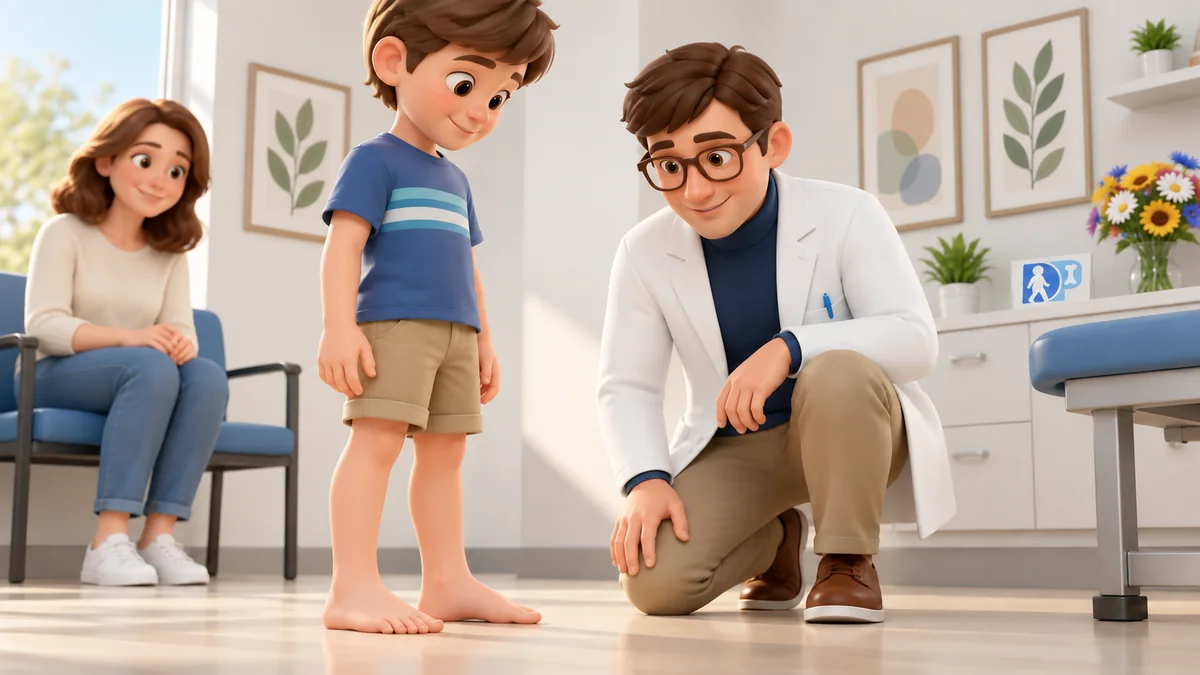
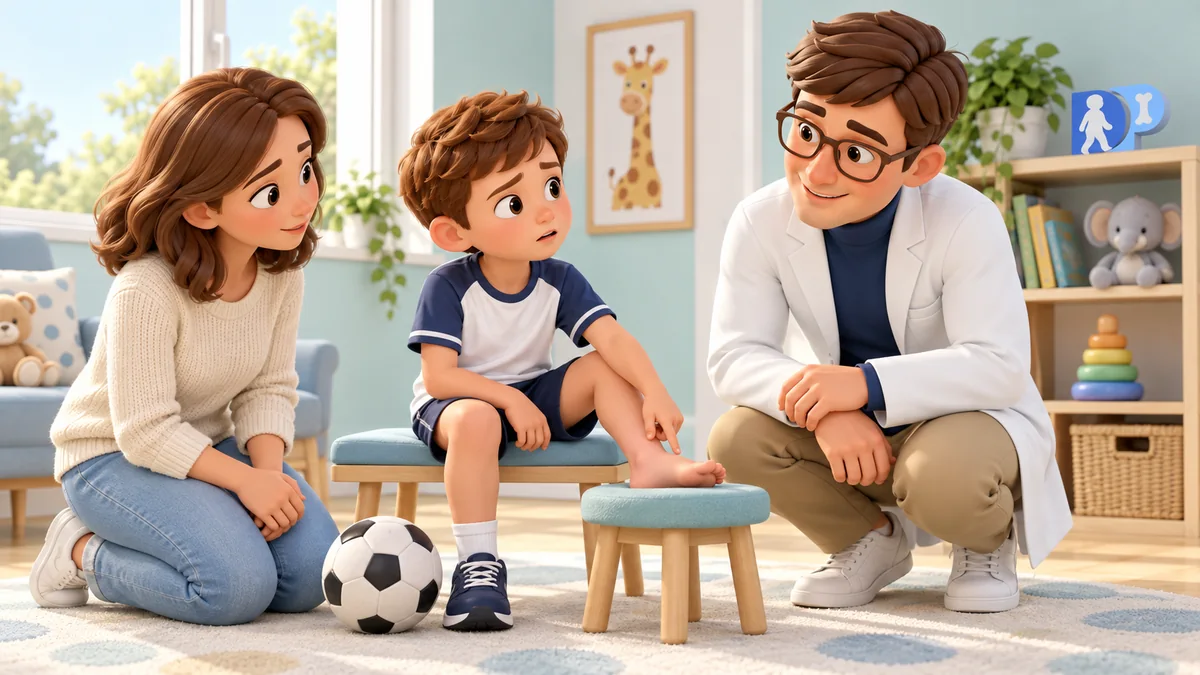
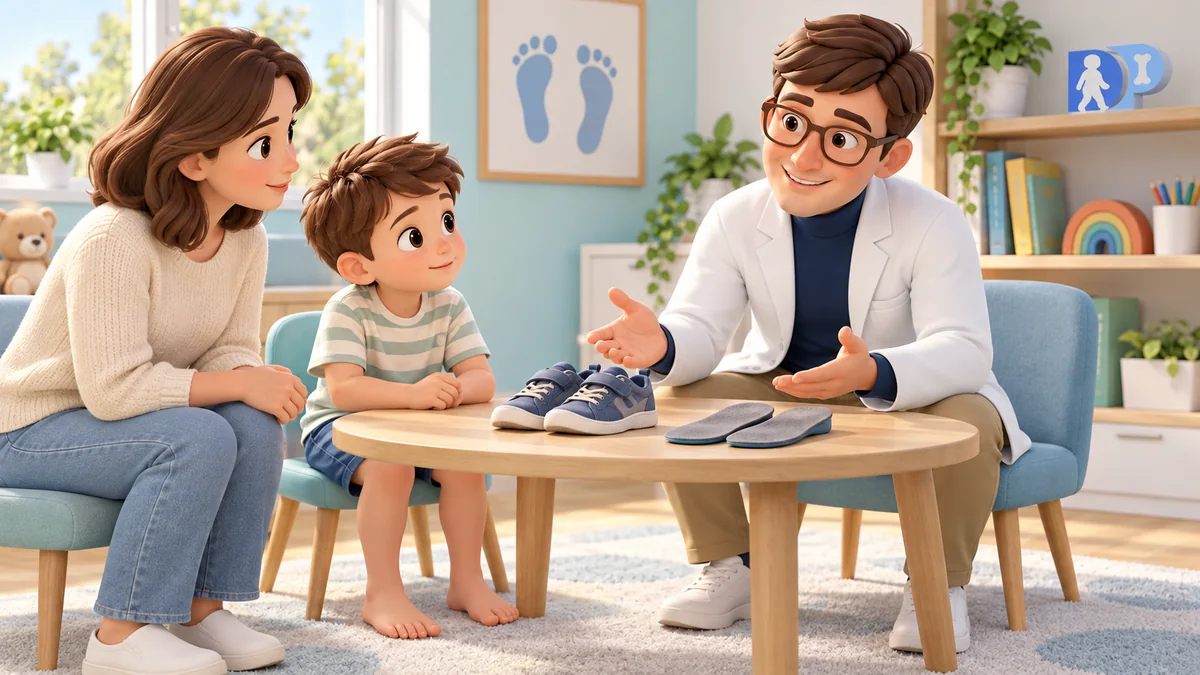
    Flatfoot is one of the most common conditions that brings parents to the pediatric orthopaedist. It's characterized by a flattening or absence of the medial plantar arch, that natural curve on the inside of the foot. **Important to know:** All children are born with flat feet! The plantar arch develops gradually between ages 3 and 6-8. Before this age, the presence of fat tissue in the sole and physiological ligament laxity give a "flat" appearance that is completely normal. **Flexible vs rigid flatfoot:** The fundamental distinction is between flexible flatfoot (most common, benign) and rigid. In flexible flatfoot, the arch disappears at rest but forms when the child rises on tiptoes. In rigid flatfoot, the arch never forms and the foot may be painful - this form always requires thorough evaluation. **Orthotics: yes or no?** This is the most frequent question. Current scientific research indicates that orthotics don't "cure" asymptomatic flexible flatfoot in children. They may be helpful in the presence of pain, fatigue, or abnormal shoe wear, but the decision must be individualized. **Rigid "orthopaedic" shoes** are a thing of the past. Children benefit from flexible shoes that allow the foot to move naturally. Walking barefoot, when possible and safe, promotes foot muscle development.

    3 Warning Signs to Watch For

    • 1Foot or leg pain, especially after physical activity
    • 2Foot remains flat even when the child rises on tiptoes
    • 3Difficulty running, walking long distances, or participating in sports

    Why a Specialist Visit Matters

    The pediatric orthopaedist distinguishes between physiological and pathological flatfoot, evaluates flexibility, identifies any underlying causes (such as tarsal coalitions), and proposes a personalized plan. Avoiding unnecessary treatments is as important as intervening when needed.

    Need a specialist evaluation?

    Book an appointment at Istituto Gaetano Pini or CTO Milan.

    We use technical cookies and, with your consent, aggregated statistics (Google Analytics, anonymized IP, no profiling/remarketing). Privacy Policy