Back to all videos
    Sports2 min

    Video Explanation: Heel Pain & Sever's Disease – What Parents Need to Know

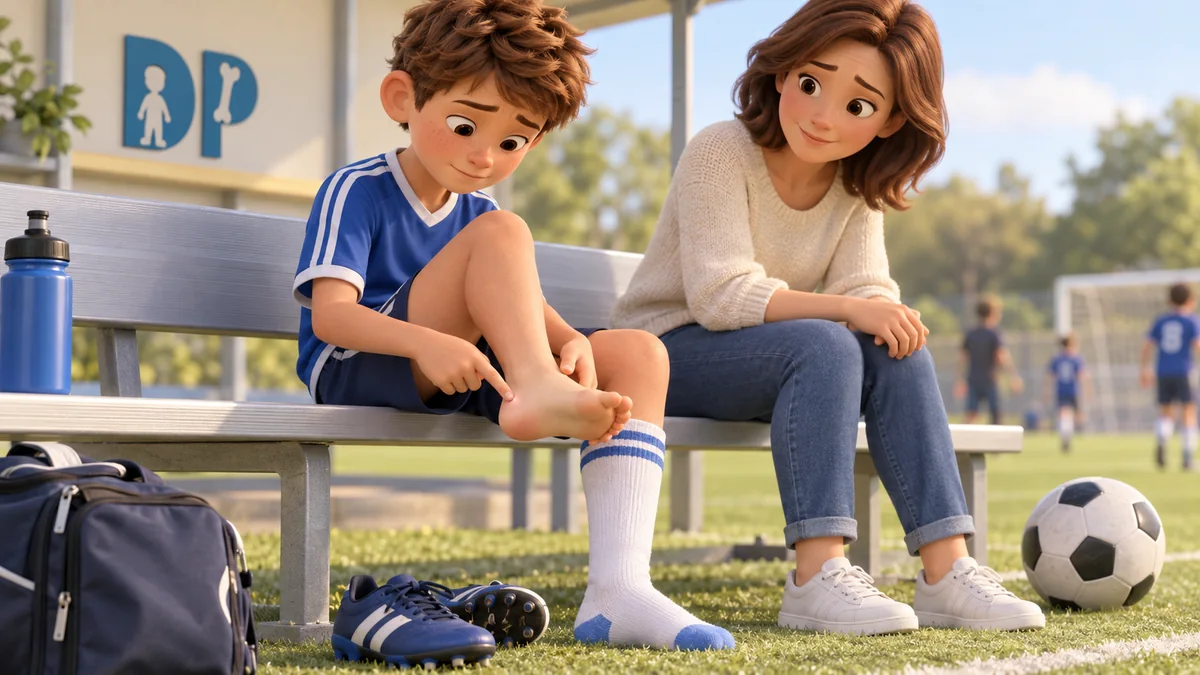
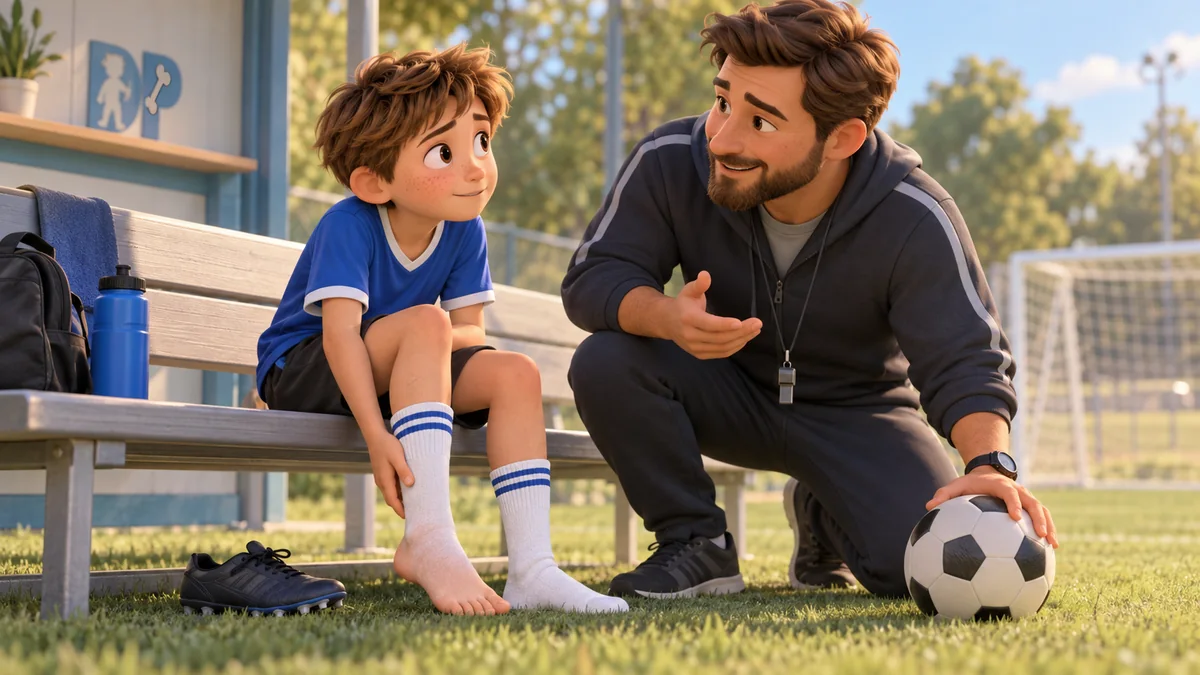
    Does your athletic child complain of heel pain after training? Learn about Sever's disease and how to manage it without quitting sports.

    Press play to watch the video. Use controls to enable audio.

    In-Depth Explanation

    Heel pain in children, technically called Sever's disease (or calcaneal apophysitis), is the most common cause of heel pain in pediatric age. It typically affects children between 8 and 14 years old, especially those active in sports. **What exactly is it?** In children's heels, there's a growth plate (apophysis) where the Achilles tendon attaches. During growth, this area is particularly sensitive to mechanical stress. Intense sports activity, especially on hard surfaces or with inadequate shoes, can cause inflammation of this structure. **Why does it happen?** During the growth spurt, bones grow faster than muscles and tendons, which become "stretched." The Achilles tendon pulls on the calcaneal apophysis, causing repeated microtrauma and inflammation. Sports like soccer, basketball, and running are most frequently involved. **The good news:** Sever's disease is a self-limiting condition. This means it heals spontaneously when the growth plate closes, typically around age 14-15. It doesn't leave permanent consequences and doesn't increase the risk of future heel problems. **How it's managed:** Treatment is conservative. Relative rest (reduction of intense sports activity), ice after activity, calf stretching, cushioning heel pads, and sometimes anti-inflammatories. In rare cases of severe pain, a short period of immobilization may be necessary.

    3 Warning Signs to Watch For

    • 1Heel pain that worsens during or after sports
    • 2Limping or toe-walking to avoid putting weight on the heel
    • 3Swelling or redness in the heel area

    Why a Specialist Visit Matters

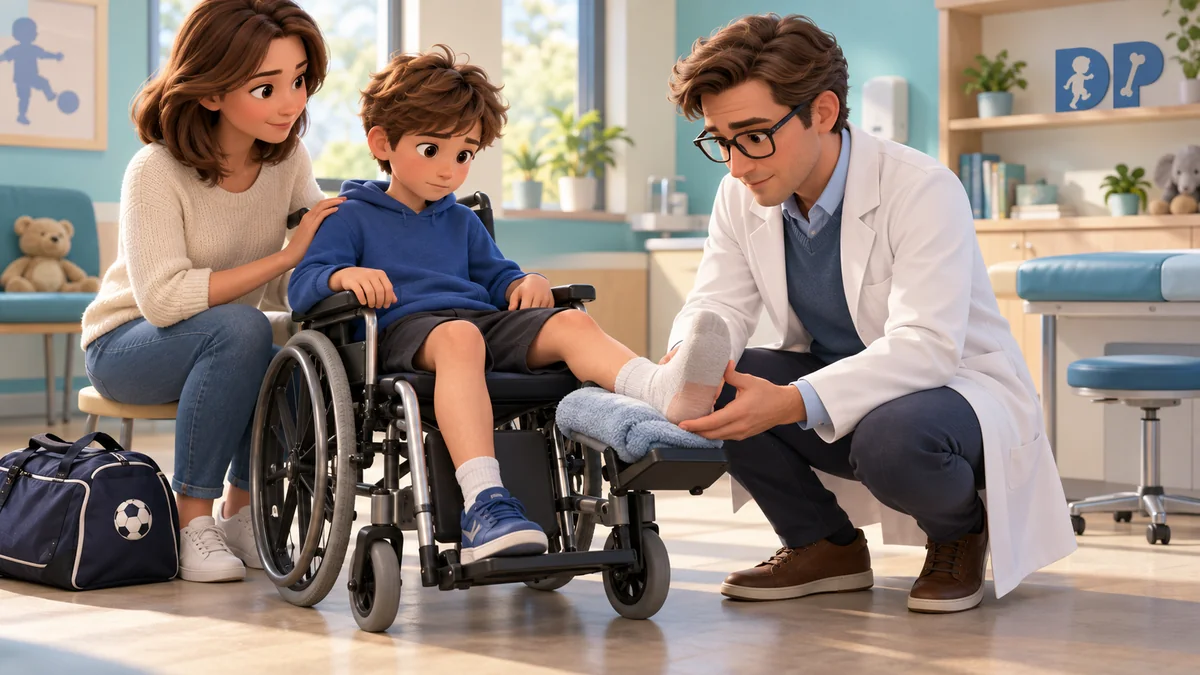
    It's important to confirm the diagnosis and rule out other causes of heel pain (stress fractures, infections, tumors - rare but possible). The specialist can also evaluate if Achilles tendon tightness requires a specific rehabilitation program.

    Need a specialist evaluation?

    Book an appointment at Istituto Gaetano Pini or CTO Milan.