Paediatric Orthopaedic Specialist
Intoeing (walking with feet turned in)
Home Exercise Program
Not every exercise listed here is suitable for every child: the selection is individual and is defined during the consultation.
For whom: Activities for coordination and function when indicated. Exercises do not straighten femoral anteversion or tibial torsion; do not force parallel feet during play.
Dose and frequency: Perform only the exercises selected during the visit. The listed dosages are examples to adapt: follow the dose, frequency, rest and progression prescribed for age, symptoms and phase. Do not automatically perform the whole list.
Equipment and supervision: A stable, clear surface, comfortable clothing and a secure support. Check resistance-band anchors. Adult supervision; avoid marbles and small objects if the child may put them in their mouth, using a towel instead.
Avoid: Forcing a painful or unauthorised movement; Increasing load, resistance or frequency without the agreed rest periods; Doing balance exercises without stable support or supervision.
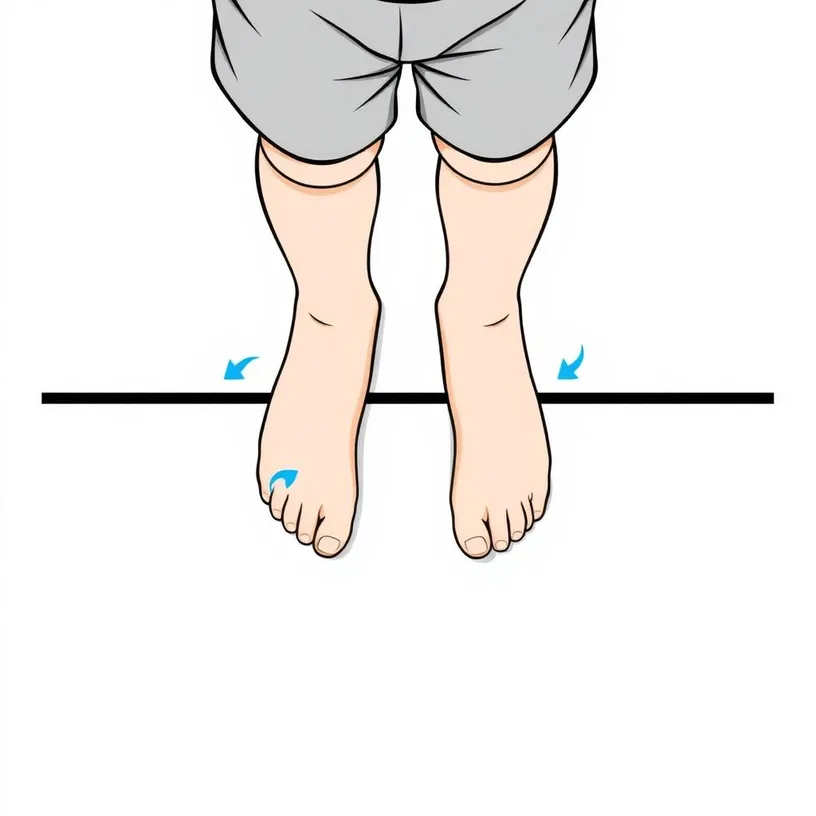
1.Natural walking and coordination
Movement play does not change bone torsion.
Walk along a clear path or broad line as a coordination game, allowing the feet their comfortable direction. Do not force straight or outward-pointing toes or correct every step. Pain, limping or worsening requires assessment.
Play according to interest and tolerance; not a compulsory daily treatment.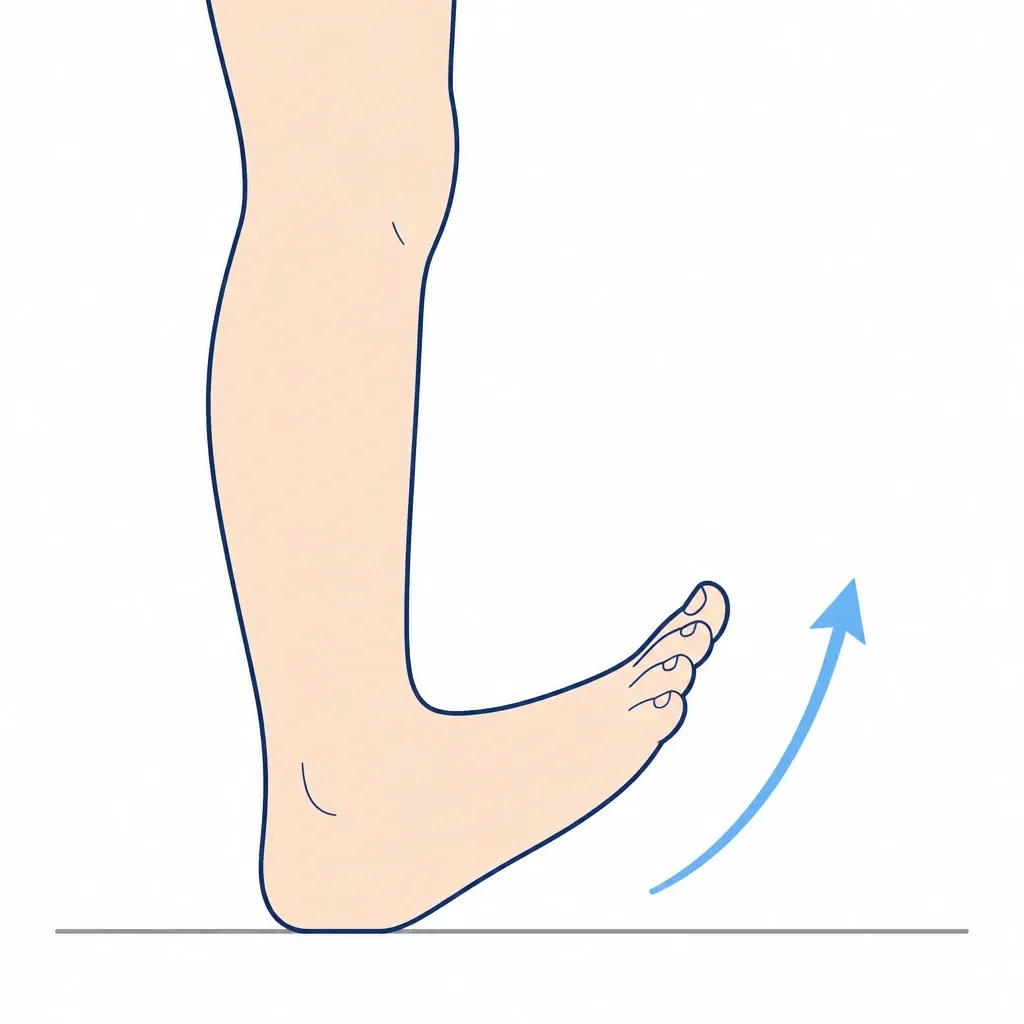
2.Heel walking
Strengthens anterior muscles and improves foot awareness
If offered as a game, take a few heel-walking steps near an adult or stable support, without imposing foot rotation. This does not correct femoral or tibial torsion. Stop if balance is lost or pain occurs.
3-5 walks of 10-15 meters, 1-2 times daily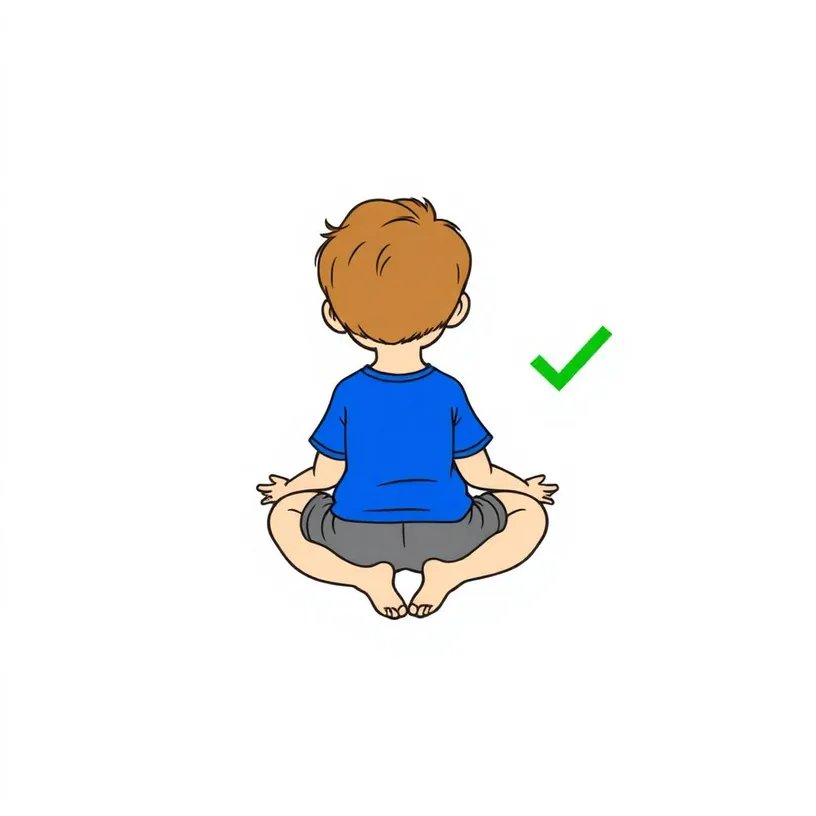
3."W-sitting" - alternatives to suggest
Suggest alternatives to prolonged sitting in this position
W-sitting is common in children and does not require a blanket ban. Offer other comfortable positions during play without forcing the hips or scolding. Have pain in a position or limited mobility assessed.
Suggest alternatives when the position is held for long periods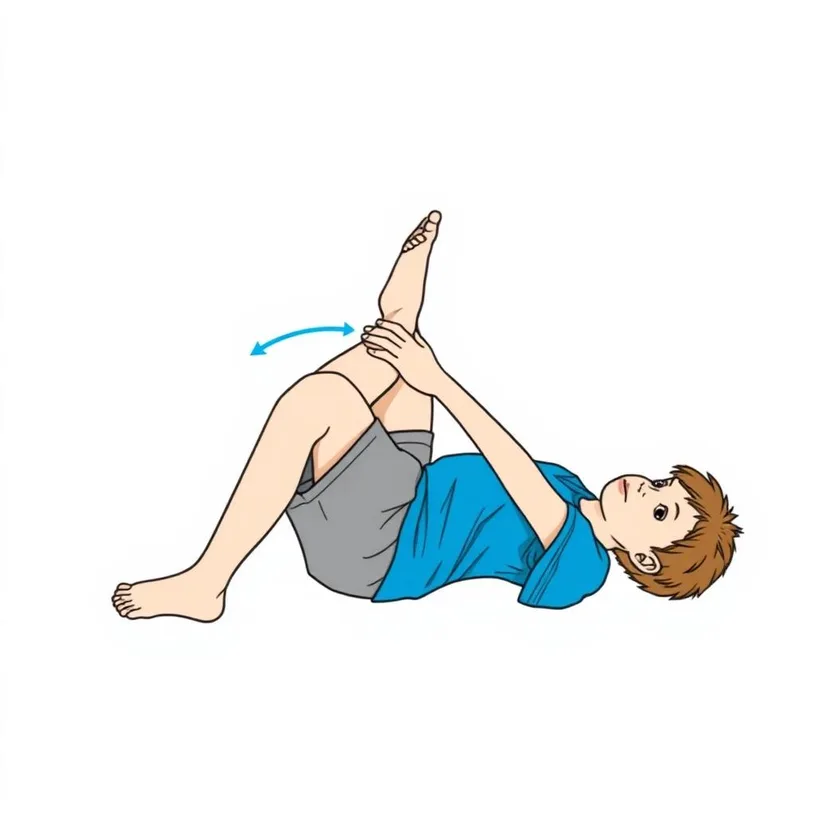
4.Figure-four gluteal stretch, if indicated
Gluteal mobility if limited; it does not correct femoral anteversion.
Lie on your back and rest one ankle on the opposite thigh above the knee. Hold behind the lower thigh and gently bring it towards the trunk, keeping the back comfortable. Do not push the crossed knee or twist it towards the opposite shoulder. Perform only if indicated and pain-free.
3 × 30 seconds each side, 1-2 times daily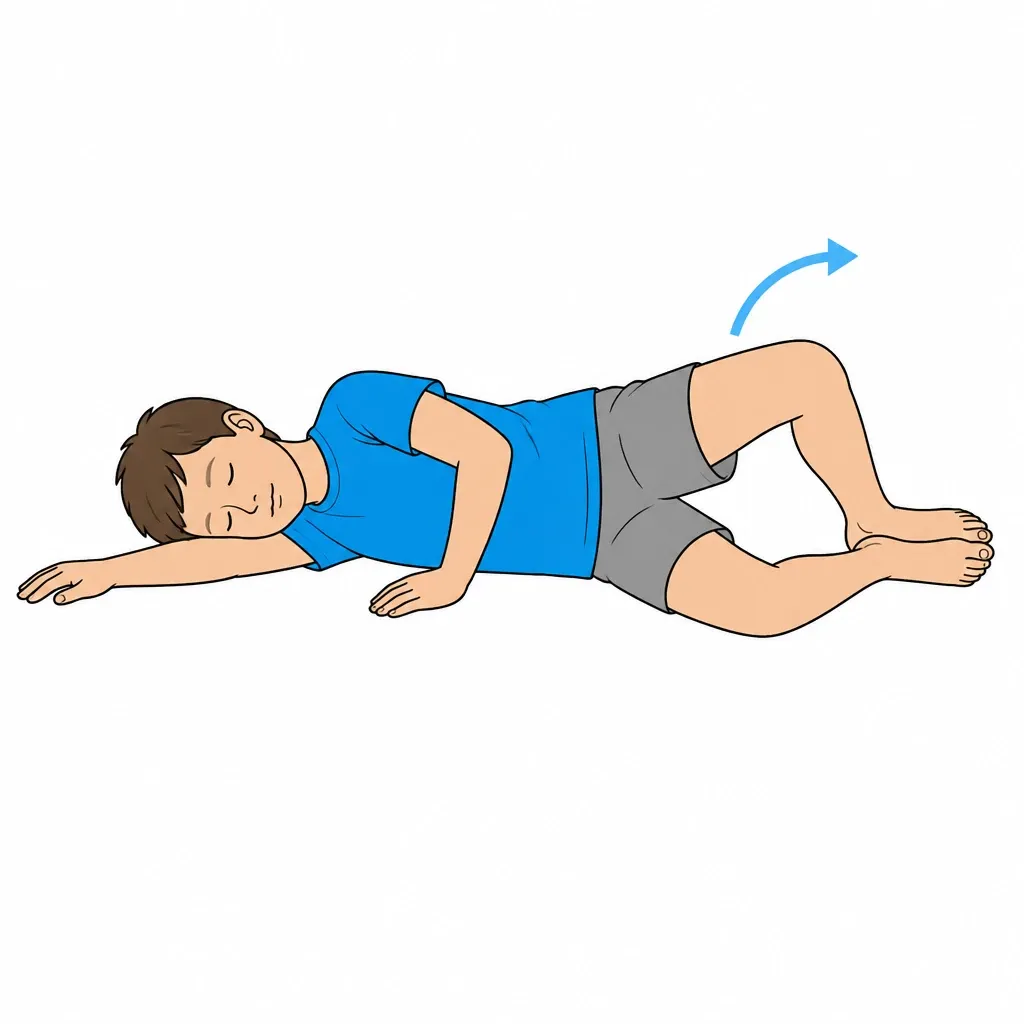
5.External rotator strengthening (clamshell)
Strengthens muscles that rotate hip outward
Lying on side, knees bent 90°, feet together. Open top knee like a clamshell opening, keeping feet in contact. DON'T rotate pelvis backward during movement. Hold 2-3 seconds at top, lower with control. To increase difficulty, use band above knees.
3 × 15 reps each side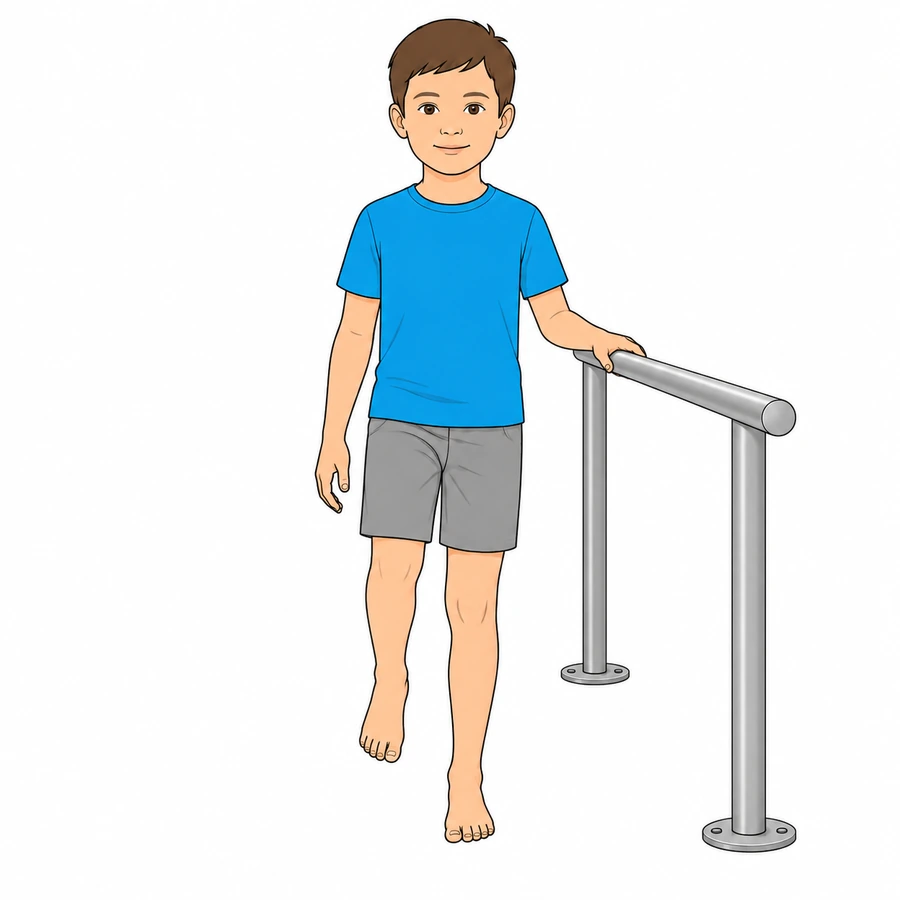
6.Balance in a comfortable stance
Improves foot position control during standing
Near a stable support, briefly try standing on one leg with eyes open. Allow the foot its natural direction without twisting the hip or knee to straighten the toes. Put the other foot down before losing balance.
3 × 30 seconds each leg, focusing on alignment7.Cross-legged sitting
One possible comfortable position for play.
Offer cross-legged sitting only if comfortable. Alternate freely with other positions; do not push the knees down or hold this position to correct bone torsion.
According to the child’s comfort and preference.
RED FLAGS - When to stop and contact the doctor immediately
Stop the exercises immediately and contact the specialist (or go to the emergency department if severe) if any of the following occur:
- Acute or sudden pain during exercise
- Significant swelling after exercises
- Pain that progressively worsens over days
- Fever or general malaise
- Difficulty walking or using the limb after exercises
- Any neurological symptoms (tingling, numbness, sudden weakness)
- A red or hot joint, or inability to bear weight: seek prompt assessment; use emergency care if severe.
In case of doubt, always prefer a check-up over continuing the exercises.
Dott. Daniele Priano
Paediatric Orthopaedics - ASST Gaetano Pini-CTO
Content version: 21 September 2026
ortopediaevolutiva.com • Printed: 18/10/2026
 Full exercise sheet
https://ortopediaevolutiva.com/en/parents-kids/exercises/gait-rotation/intoeing
Prepare the visit handout
Use the condition and phase indicated by your clinician. You can leave out individual exercises; instructions, illustrations and safety advice remain together.
Exclude exercises if needed
7 of 7 exercise cards included
The full web page remains available. Your selection is not saved or shared.
Before You Start
Who is this guide for?
Activities for coordination and function when indicated. Exercises do not straighten femoral anteversion or tibial torsion; do not force parallel feet during play.
What you need
A stable, clear surface, comfortable clothing and a secure support. Check resistance-band anchors. Adult supervision; avoid marbles and small objects if the child may put them in their mouth, using a towel instead.
Suggested frequency
Perform only the exercises selected during the visit. The listed dosages are examples to adapt: follow the dose, frequency, rest and progression prescribed for age, symptoms and phase. Do not automatically perform the whole list.
Common mistakes to avoid
- •Forcing a painful or unauthorised movement
- •Increasing load, resistance or frequency without the agreed rest periods
- •Doing balance exercises without stable support or supervision
⚠️ Red flags — when to stop and contact the doctor immediately
Stop exercises immediately and contact the specialist if any of the following occur:
- Acute or sudden pain during exercise
- Significant swelling after exercises
- Pain that progressively worsens over days
- Fever or general malaise
- Difficulty walking or using the limb after exercises
- Any neurological symptoms (tingling, numbness, sudden weakness)
- A red or hot joint, or inability to bear weight: seek prompt assessment; use emergency care if severe.
Detailed Exercises
- 1
Natural walking and coordination
Movement play does not change bone torsion.
Walk along a clear path or broad line as a coordination game, allowing the feet their comfortable direction. Do not force straight or outward-pointing toes or correct every step. Pain, limping or worsening requires assessment.
Play according to interest and tolerance; not a compulsory daily treatment. - 2
Heel walking
Strengthens anterior muscles and improves foot awareness
If offered as a game, take a few heel-walking steps near an adult or stable support, without imposing foot rotation. This does not correct femoral or tibial torsion. Stop if balance is lost or pain occurs.
3-5 walks of 10-15 meters, 1-2 times daily - 3
"W-sitting" - alternatives to suggest
Suggest alternatives to prolonged sitting in this position
W-sitting is common in children and does not require a blanket ban. Offer other comfortable positions during play without forcing the hips or scolding. Have pain in a position or limited mobility assessed.
Suggest alternatives when the position is held for long periods - 4
Figure-four gluteal stretch, if indicated
Gluteal mobility if limited; it does not correct femoral anteversion.
Lie on your back and rest one ankle on the opposite thigh above the knee. Hold behind the lower thigh and gently bring it towards the trunk, keeping the back comfortable. Do not push the crossed knee or twist it towards the opposite shoulder. Perform only if indicated and pain-free.
3 × 30 seconds each side, 1-2 times daily - 5
External rotator strengthening (clamshell)
Strengthens muscles that rotate hip outward
Lying on side, knees bent 90°, feet together. Open top knee like a clamshell opening, keeping feet in contact. DON'T rotate pelvis backward during movement. Hold 2-3 seconds at top, lower with control. To increase difficulty, use band above knees.
3 × 15 reps each side - 6
Balance in a comfortable stance
Improves foot position control during standing
Near a stable support, briefly try standing on one leg with eyes open. Allow the foot its natural direction without twisting the hip or knee to straighten the toes. Put the other foot down before losing balance.
3 × 30 seconds each leg, focusing on alignment - 7
Cross-legged sitting
One possible comfortable position for play.
Offer cross-legged sitting only if comfortable. Alternate freely with other positions; do not push the knees down or hold this position to correct bone torsion.
According to the child’s comfort and preference.
Frequently Asked Questions
Does intoeing correct itself?
In most cases yes. Femoral anteversion (the most common cause) tends to reduce spontaneously until age 8-10. Exercises help improve motor control but don't "correct" bone anatomy.
My child trips often due to intoeing. Is this normal?
It's common in children with marked intoeing, especially when running. In most cases it improves with growth and improved motor control. Specific walking exercises can help.